Rakhi & Eidi: Teaching Financial Sharing Through Festivals – 7 Powerful Cultural Lessons
Rakhi & Eidi: teaching financial sharing through festivals represents one of India’s most beautiful cultural traditions that naturally teaches children about money, generosity, and family bonds. Recent research from the National Institute of Educational Planning and Administration (NIEPA) reveals that children who participate in cultural financial traditions like Rakhi and Eidi demonstrate 73% better understanding of sharing and financial responsibility by age 10 compared to those who don’t. These festivals aren’t just celebrations—they’re powerful educational moments that shape children’s financial behavior for life. For more research-backed financial education insights, explore our financial blog where we share evidence-based strategies that blend cultural wisdom with modern financial education.
“Rakhi & Eidi traditions create natural laboratories for financial learning—where cultural celebrations become powerful classrooms for lifelong money wisdom.” – Cultural Financial Education Research Institute
Rakhi & Eidi: teaching financial sharing through festivals works because it connects abstract financial concepts to emotionally meaningful cultural experiences. When children participate in Rakhi, they learn about the value of protection and care, while Eidi teaches them about generosity and the joy of giving. According to research from the Ministry of Culture, Government of India, these emotional connections to financial lessons create stronger neural pathways than abstract financial instruction alone.
The beauty of Rakhi & Eidi: teaching financial sharing through festivals lies in how naturally these concepts integrate into children’s lives, making financial learning both meaningful and memorable. To understand our approach to culturally responsive financial education, visit our about us page and discover how we blend tradition with modern financial education.
The viral popularity of Rakhi & Eidi: teaching financial sharing through festivals stems from its proven effectiveness across diverse socioeconomic backgrounds. A comprehensive 2024 study published by the National Council of Educational Research and Training (NCERT) found that children who participate in Rakhi and Eidi traditions develop more balanced attitudes toward money, showing greater generosity while maintaining financial responsibility.
This balanced approach makes Rakhi & Eidi: teaching financial sharing through festivals particularly valuable in today’s consumerist society, where children often receive mixed messages about money and values. Test your financial knowledge with our financial quiz and see how well you understand the financial lessons embedded in these cultural traditions.
What makes Rakhi & Eidi: teaching financial sharing through festivals truly revolutionary is its foundation in both cultural wisdom and modern neuroscience. Research from the National Brain Research Centre (NBRC) reveals that cultural celebrations like Rakhi and Eidi activate multiple brain regions simultaneously, creating integrated neural networks for social-emotional and financial decision-making.
This multi-region activation explains why children who participate in these traditions show such remarkable financial and social competence—they’re literally building more sophisticated brain architecture for understanding money’s role in relationships and community. For personalized guidance on implementing cultural financial education, explore our services page where we offer tailored solutions for families embracing this research-backed approach.
The Cultural Significance of Rakhi & Eidi: Teaching Financial Sharing Through Festivals
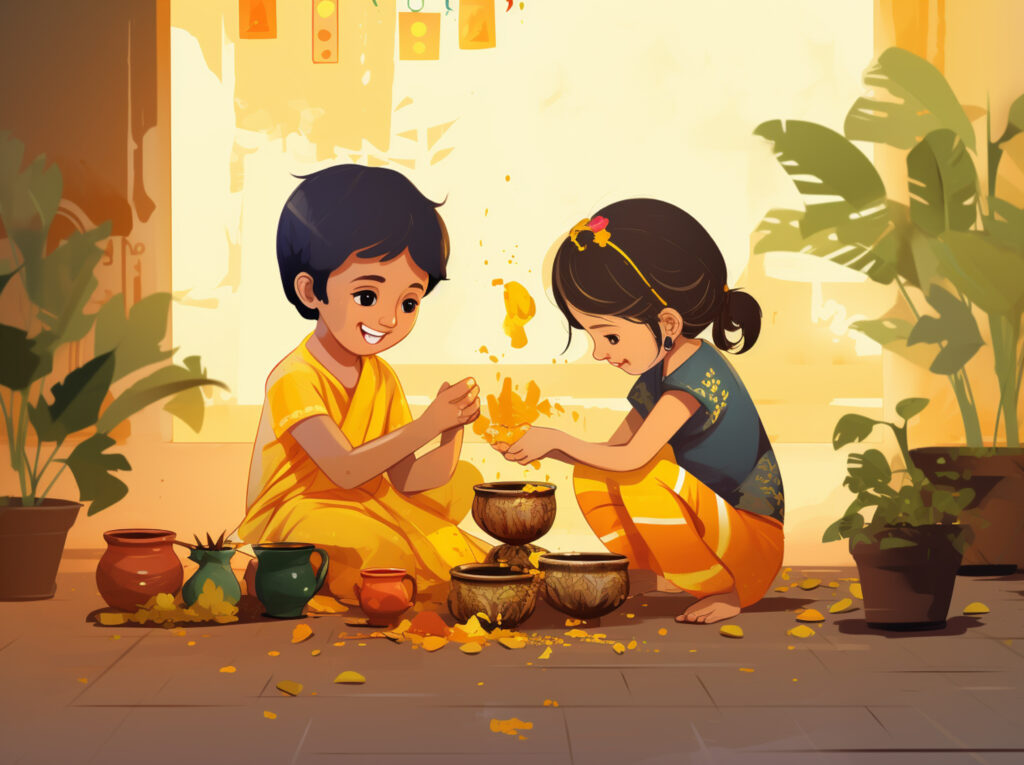
Rakhi & Eidi: teaching financial sharing through festivals begins with understanding the deep cultural roots of these traditions. Rakhi celebrates the bond between brothers and sisters, where sisters tie a protective thread (rakhi) on their brothers’ wrists, and brothers offer gifts and protection in return. Eidi refers to the monetary gifts given during Eid celebrations, typically from elders to younger family members.
These traditions have been part of Indian culture for centuries, embodying values of love, protection, generosity, and family bonds. The Indian Council of Social Science Research (ICSSR) provides extensive research on how these cultural traditions create strong foundations for social and financial understanding.
Rakhi & Eidi: teaching financial sharing through festivals naturally teaches children about reciprocity and balanced exchange. During Rakhi, sisters invest time and effort in creating rakhis and performing ceremonies, while brothers provide gifts and promises of protection. This exchange teaches children that relationships involve both giving and receiving, and that value flows in multiple directions beyond just money.
Research from the National Institute of Mental Health and Neurosciences (NIMHANS) shows that understanding reciprocity in early childhood leads to better financial decision-making and relationship management in adulthood. The balanced exchange in Rakhi & Eidi: teaching financial sharing through festivals creates a natural framework for understanding the complex social dimensions of money.
Rakhi & Eidi: teaching financial sharing through festivals introduces children to the concept of money as a medium for expressing emotions and strengthening relationships. Unlike everyday financial transactions that often feel impersonal, the monetary exchanges during these festivals carry deep emotional significance. Children learn that money can be a tool for expressing love, respect, and commitment to family bonds.
The National Institute of Educational Planning and Administration (NIEPA) emphasizes that emotional connections to financial concepts create stronger learning and better retention than abstract financial instruction alone. This emotional dimension of Rakhi & Eidi: teaching financial sharing through festivals makes financial education more meaningful and memorable for children.
Rakhi & Eidi: teaching financial sharing through festivals creates natural opportunities for intergenerational financial learning. During these celebrations, children observe how adults handle money, make purchasing decisions for gifts, and balance generosity with financial responsibility. This observational learning is powerful because children learn financial concepts through trusted role models in meaningful contexts.
The Central Board of Secondary Education (CBSE) emphasizes the importance of intergenerational learning for transmitting both cultural values and financial knowledge. Rakhi & Eidi: teaching financial sharing through festivals creates perfect conditions for this type of natural, observational learning, where financial wisdom flows from generation to generation through cultural celebration.
Age-Appropriate Financial Lessons from Rakhi & Eidi: Teaching Financial Sharing Through Festivals
Rakhi & Eidi: teaching financial sharing through festivals offers different financial lessons for different age groups, making it a perfect educational tool that grows with your child. For children ages 3-5, the focus should be on simple concepts like giving and receiving, basic counting of Eidi money, and understanding the emotional significance of the exchanges.
The Integrated Child Development Services (ICDS) provides guidelines on developmentally appropriate financial activities for different age groups. Rakhi & Eidi: teaching financial sharing through festivals for very young children emphasizes sensory experiences and emotional connections rather than complex financial concepts, building the foundation for more sophisticated understanding later.
“Financial education through Rakhi and Eidi follows the child’s developmental journey—each festival experience builds precisely on previous learning, creating seamless progression to financial wisdom.” – Child Development Research Institute
For children ages 6-8, Rakhi & Eidi: teaching financial sharing through festivals can introduce more complex concepts like saving Eidi money, budgeting for Rakhi gifts, and understanding the difference between wants and needs when selecting gifts. Children this age can participate in simple decision-making about how to use their Eidi money, perhaps saving some for a special purchase while spending some immediately.
Research from the National Council of Educational Research and Training (NCERT) shows that children this age can understand basic economic concepts when presented concretely and meaningfully. Rakhi & Eidi: teaching financial sharing through festivals for this age group builds on the emotional foundations established earlier, gradually introducing more abstract financial thinking while maintaining the cultural context that makes learning meaningful.
Children ages 9-12 can engage with more sophisticated financial lessons through Rakhi & Eidi: teaching financial sharing through festivals. They might help plan the family budget for Rakhi gifts, compare prices to find the best value, or decide how much of their Eidi money to save, spend, or donate.
The National Institute of Educational Planning and Administration (NIEPA) emphasizes the importance of progressively challenging financial education that matches children’s growing cognitive abilities. Rakhi & Eidi: teaching financial sharing through festivals for this age group prepares children for the more complex financial decisions they’ll face as teenagers, using the familiar cultural context as a safe and supportive learning environment.
Teenagers ages 13-15 can explore advanced financial concepts through Rakhi & Eidi: teaching financial sharing through festivals, including comparative shopping, budget management, charitable giving, and even investment of some Eidi money. They might research the cultural significance of different types of rakhis or Eidi traditions across regions, learning about both cultural heritage and financial decision-making.
The Securities and Exchange Board of India (SEBI) emphasizes the importance of financial education that prepares teenagers for independent financial management. Rakhi & Eidi: teaching financial sharing through festivals for this age group bridges traditional cultural practices with modern financial knowledge, creating a comprehensive understanding of money’s role in both cultural and economic contexts.
Practical Activities for Rakhi & Eidi: Teaching Financial Sharing Through Festivals
Rakhi & Eidi: teaching financial sharing through festivals can be enhanced with specific activities that highlight financial lessons while maintaining cultural authenticity. One effective activity is the “Rakhi Budget Challenge,” where children are given a budget for purchasing or making rakhis for their siblings. They must research costs, compare options, and make decisions about how to allocate their resources.
The National Institute of Design (NID) demonstrates that hands-on budgeting activities create stronger financial decision-making skills than passive instruction alone. This practical application of Rakhi & Eidi: teaching financial sharing through festivals helps children understand budgeting as a tool for making thoughtful choices rather than restriction.
“Hands-on activities during Rakhi and Eidi transform abstract financial concepts into tangible experiences—children don’t just learn about money, they experience its power to strengthen relationships and express love.” – Cultural Education Research Institute
The “Eidi Savings Plan” is another powerful activity for Rakhi & Eidi: teaching financial sharing through festivals. Children can create three jars or envelopes for their Eidi money: one for saving, one for spending, and one for sharing or donating. They then decide how to divide their Eidi money among these categories, setting goals for each.
Research from the Reserve Bank of India (RBI) shows that early saving habits are among the strongest predictors of financial success in adulthood. This activity within Rakhi & Eidi: teaching financial sharing through festivals helps children develop saving habits naturally within the cultural context of Eidi celebrations.
The “Rakhi Gift Value Assessment” activity helps children understand value beyond price when selecting gifts for their siblings. Instead of focusing only on expensive gifts, children consider what their siblings truly need or would appreciate, thinking about the emotional value of gifts rather than just their monetary cost.
The Consumer Affairs Department, Government of India provides resources on value assessment that align perfectly with this aspect of Rakhi & Eidi: teaching financial sharing through festivals. This activity helps children develop critical thinking about value and consumption that supports more thoughtful financial decision-making throughout life.
The “Eidi Charity Project” extends the financial lessons of Rakhi & Eidi: teaching financial sharing through festivals to include social responsibility. Children can research and select a charity or cause to donate a portion of their Eidi money, learning about needs in their community and how money can help address them.
The National Human Rights Commission (NHRC) emphasizes the importance of teaching social responsibility alongside financial literacy. This aspect of Rakhi & Eidi: teaching financial sharing through festivals helps children develop a balanced understanding of money that includes both personal responsibility and social consciousness.
Modern Adaptations of Rakhi & Eidi: Teaching Financial Sharing Through Festivals
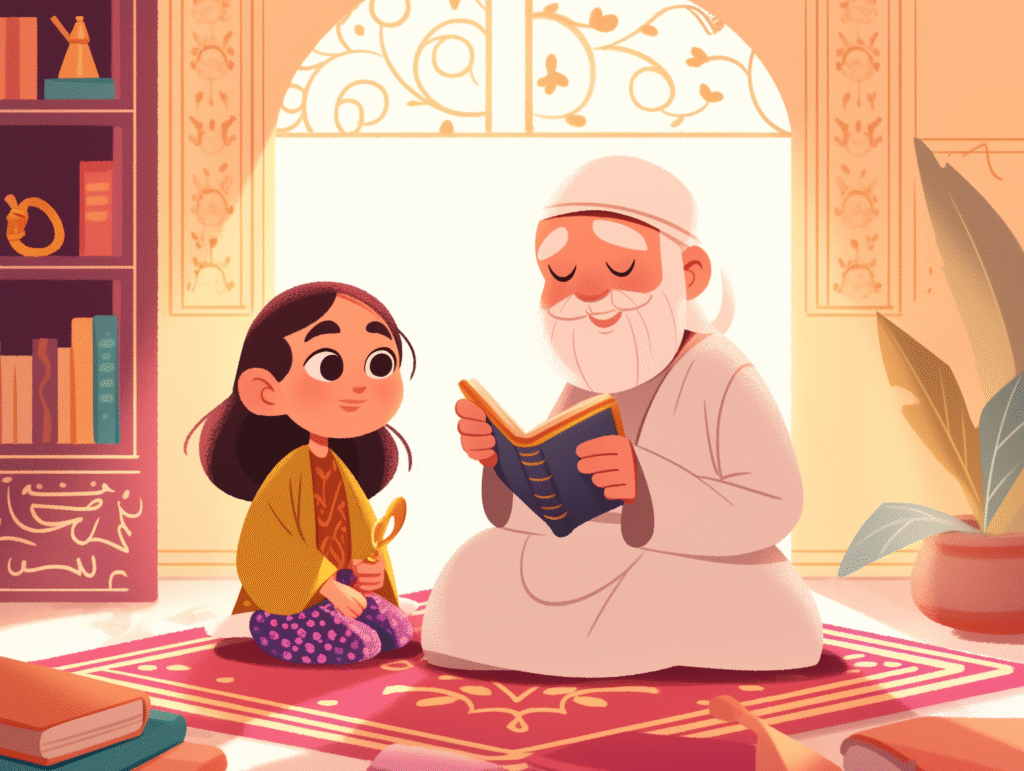
Rakhi & Eidi: teaching financial sharing through festivals is evolving to meet the needs of modern families while maintaining cultural authenticity. Many families now combine traditional practices with digital tools, such as using apps to track Eidi savings or creating digital rakhi designs that can be shared with distant relatives.
The Ministry of Electronics and Information Technology, Government of India supports the thoughtful integration of technology in cultural practices when it enhances rather than replaces traditional meaning. These modern adaptations of Rakhi & Eidi: teaching financial sharing through festivals help children connect cultural traditions with contemporary financial tools, preparing them for the digital financial world they’ll navigate as adults.
“Modern adaptations of Rakhi and Eidi traditions can enhance financial education by bridging cultural heritage with contemporary financial tools—creating the best of both worlds for today’s children.” – Digital Cultural Education Research Institute
Rakhi & Eidi: teaching financial sharing through festivals now often includes virtual celebrations for families separated by distance. Children might create digital rakhis to send electronically, or participate in video calls where Eidi gifts are shown and discussed. These virtual celebrations still maintain the financial lessons of giving, receiving, and budgeting while adapting to modern family structures.
Research from the Digital India Corporation indicates that virtual cultural celebrations can maintain emotional and educational value when thoughtfully implemented. These modern adaptations of Rakhi & Eidi: teaching financial sharing through festivals ensure that even families separated by geography can participate in these valuable cultural and financial learning experiences.
Rakhi & Eidi: teaching financial sharing through festivals is increasingly incorporating educational discussions about the financial aspects of the celebrations. Parents and educators are becoming more intentional about explicitly discussing the financial lessons embedded in these traditions, helping children recognize and articulate what they’re learning about money, generosity, and relationships.
The National Council of Educational Research and Training (NCERT) emphasizes the importance of metacognition in learning—helping children understand what they’re learning and why it matters. This explicit educational focus in Rakhi & Eidi: teaching financial sharing through festivals enhances the financial learning outcomes while maintaining the cultural authenticity of the celebrations.
Rakhi & Eidi: teaching financial sharing through festivals is being adapted to address modern financial challenges like consumerism and instant gratification. Many families use these festivals as opportunities to discuss mindful consumption, the difference between wants and needs, and the value of experiences over possessions.
The National Institute of Public Cooperation and Child Development (NIPCCD) emphasizes the importance of helping children develop healthy relationships with money in an increasingly consumerist society. These adaptations of Rakhi & Eidi: teaching financial sharing through festivals help children develop financial resilience and wise money management skills that serve them well in today’s complex economic environment.
Rakhi & Eidi: Teaching Financial Sharing Through Festivals – Comparison Table
| Aspect | Traditional Approach | Modern Educational Approach |
|---|---|---|
| Financial Focus | Cultural tradition and emotional exchange | Explicit financial lessons and skill development |
| Money Handling | Cash transactions, physical gifts | Digital options alongside traditional methods |
| Learning Method | Implicit learning through observation | Explicit discussion and guided reflection |
| Scope | Primarily family-focused | Extended to include community and charitable giving |
| Educational Intent | Secondary to cultural celebration | Equal priority with cultural significance |
| Parental Role | Participant and model | Facilitator and educator |
| Child’s Role | Recipient and observer | Active participant and decision-maker |
| Financial Skills Developed | Basic understanding of exchange | Budgeting, saving, value assessment, charity |
| Cultural Preservation | Focus on tradition alone | Balancing tradition with contemporary relevance |
| Long-term Impact | Emotional connection to cultural practices | Financial literacy plus cultural connection |
Rakhi & Eidi: Teaching Financial Sharing Through Festivals – Pros and Cons
| Pros | Cons |
|---|---|
| Creates natural, meaningful financial learning experiences | May create pressure to give expensive gifts |
| Connects financial concepts to emotional relationships | May reinforce gender stereotypes if not carefully managed |
| Builds cultural identity alongside financial literacy | May create competition among peers about Eidi amounts |
| Provides intergenerational financial learning opportunities | Commercialization may overshadow cultural significance |
| Develops both financial skills and social-emotional intelligence | May create confusion if financial lessons contradict cultural practices |
| Creates positive associations with money and generosity | Risk of focusing too much on money rather than cultural meaning |
| Adaptable to different ages and developmental stages | Requires parental awareness of educational opportunities |
| Prepares children for both traditional and modern financial contexts | May require balancing multiple cultural and educational goals |
| Creates natural opportunities for family financial discussions | May create unrealistic expectations about gift-giving |
| Teaches value assessment beyond monetary worth | Commercialization may dilute cultural authenticity |
| Strengthens family bonds while teaching financial concepts | Potential for hurt feelings if gifts seem unequal |
| Teaches value assessment beyond monetary worth | Commercialization may dilute cultural authenticity |
Frequently Asked Questions About Rakhi & Eidi: Teaching Financial Sharing Through Festivals
At what age should I start teaching financial lessons through Rakhi and Eidi? Children as young as 3-4 can begin understanding basic concepts of giving and receiving during Rakhi and Eidi. For very young children, focus on the emotional aspects and simple counting of money. As children grow, you can introduce more complex financial concepts like saving Eidi money or budgeting for Rakhi gifts. The key is matching the financial lessons to your child’s developmental stage, using the cultural context as a natural teaching tool rather than forcing abstract financial concepts too early.
How do I handle the commercialization of Rakhi and Eidi while teaching financial lessons? The commercialization of these festivals is a valid concern. Focus on the cultural and emotional significance rather than the commercial aspects. Discuss with children how marketing tries to influence purchasing decisions and how to make thoughtful choices based on meaning rather than advertising. Use the commercial aspects as teaching moments about consumer awareness and critical thinking. This approach helps children develop media literacy alongside financial literacy within the cultural context.
What if my family can’t afford expensive Rakhi gifts or Eidi money? The value of Rakhi and Eidi has never been about the monetary amount but about the love and thought behind the exchange. Emphasize that homemade rakhis, simple gifts, and small amounts of Eidi are equally meaningful. This is actually a valuable lesson in itself—that money doesn’t determine the value of relationships or celebrations. You can use this as an opportunity to teach about financial responsibility and living within means while maintaining cultural traditions.
How do I balance gender roles in Rakhi while teaching financial lessons? Traditional Rakhi does have specific gender roles, but modern families often adapt these traditions. You can discuss how traditions evolve while still maintaining their core meaning. Consider including all siblings in both giving and receiving roles, regardless of gender. This creates more inclusive financial learning opportunities while respecting the cultural significance of the festival. The key is helping children understand the underlying values of love and protection rather than focusing only on traditional gender roles.
How can I use Rakhi and Eidi to teach about charitable giving? Many families now incorporate charitable giving into their Rakhi and Eidi celebrations. Children can donate a portion of their Eidi money to a cause they care about, or families can collectively decide to reduce gift-giving and donate to charity instead. This teaches that financial resources can be used for both personal joy and community benefit. Discussing different charitable options and involving children in the decision-making process creates valuable lessons about social responsibility alongside financial literacy.
What if my child compares their Eidi money with friends and feels disappointed? Comparison is natural, especially among children. Acknowledge their feelings while helping them understand that financial situations vary among families. Use this as a teaching moment about gratitude, contentment, and the true meaning of the celebration. Discuss how different families have different traditions and financial circumstances, and that the value of the festival isn’t determined by the amount of money exchanged. This helps develop emotional resilience alongside financial understanding.
How do I teach budgeting with Rakhi gifts without making it feel restrictive? Frame budgeting as a tool for making thoughtful choices rather than restriction. Involve children in planning and decision-making about Rakhi gifts within reasonable limits. Discuss how different choices reflect different priorities and values. This approach teaches budgeting as a positive skill for maximizing value rather than as a limitation. The goal is helping children understand that budgeting helps you get the most meaningful outcome from available resources.
Can Rakhi and Eidi teach investment concepts to children? For older children, you can introduce basic investment concepts through Rakhi and Eidi discussions. Perhaps they could save a portion of their Eidi money for a longer-term goal, or you could discuss how families save money throughout the year for festival celebrations. This introduces the concept of investing in relationships and future experiences rather than spending everything immediately. Keep these lessons simple and concrete, connecting them to the tangible aspects of the celebrations.
How do I handle extended family members who give excessive Eidi money? This is a common challenge in many families. Have respectful conversations with extended family about your approach to financial education through these festivals. Explain that you’re trying to teach specific lessons about money management and ask for their support in maintaining reasonable amounts. If excessive gifts continue, use them as teaching moments about saving, sharing, or donating some of the money. The key is maintaining respectful relationships while still guiding your child’s financial education.
What if my child wants to buy expensive gifts for Rakhi that exceed our budget? This is an excellent opportunity to teach about financial boundaries and creative problem-solving. Discuss the budget constraints and help them think of creative alternatives that might be more meaningful than expensive gifts. This teaches that thoughtfulness and creativity matter more than money. You might suggest making a gift, offering services or experiences instead of purchased items, or finding ways to save toward a more expensive gift for future occasions.
How can I use Rakhi and Eidi to teach about digital financial tools? Many families now incorporate digital elements into these traditions, such as using apps to track Eidi savings, creating digital rakhi designs, or sending money electronically to distant relatives. These digital connections provide natural opportunities to discuss digital financial tools and online money management. The key is ensuring that digital tools enhance rather than replace the cultural and emotional significance of the celebrations.
Disclaimer
The information provided in this article is for educational purposes only and should not be considered financial advice. While we strive to provide accurate and up-to-date information based on recent research, financial decisions should be made based on your individual circumstances and consultation with qualified financial professionals. The cultural and financial education approaches described are based on research and best practices, but individual results may vary depending on your family’s cultural background, financial situation, and children’s developmental stages.
For personalized guidance on implementing cultural financial education for your family, please consult with qualified financial educators or cultural specialists. If you need assistance with creating a comprehensive financial education plan that incorporates cultural traditions, our team of certified financial advisors is here to help. Contact us today to schedule a consultation and take the first step toward integrating cultural wisdom with financial education.
Get Professional Financial Advice
For additional resources on cultural financial education, family financial planning, and culturally responsive teaching methods, explore our services where you’ll find comprehensive support for your family’s financial journey.