7 Powerful Ways to Teach Financial Literacy for Poor Families Without Toys
Financial literacy for poor families is essential yet often overlooked. In this comprehensive guide, you’ll discover practical, no-cost methods to teach money management skills using everyday household items. These techniques are specifically designed for families with limited resources who want to build strong financial foundations for their children.
“Financial education begins not with expensive tools, but with the wisdom to use what we already have around us.”
Why Financial Literacy Matters for Poor Families
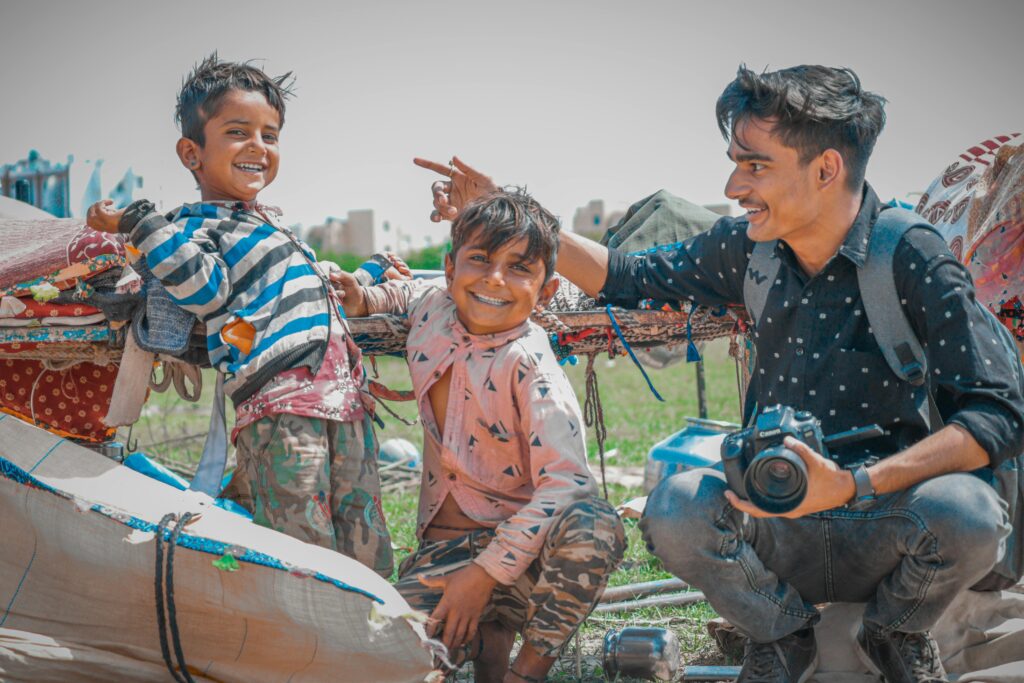
Financial literacy for poor families goes beyond basic money knowledge. It represents a pathway to breaking generational cycles of poverty. According to the National Centre for Financial Education, only 27% of Indians are financially literate, with even lower rates among low-income communities.
“When families understand money management, they gain control over their future regardless of their current income level.”
Poor households face unique financial challenges that make literacy even more critical. They often deal with irregular income, limited access to formal banking, and higher vulnerability to financial exploitation. Teaching children about money in these environments isn’t just educational—it’s protective.
The Reality of Financial Education in Resource-Scarce Environments
Many financial literacy resources assume access to educational toys, games, and materials that poor families simply cannot afford. This creates a significant gap in financial education accessibility. The Reserve Bank of India has emphasized the need for financial literacy programs that reach the most vulnerable populations.
“True financial education adapts to the learner’s environment, not the other way around.”
Poor households in India typically spend 60-80% of their income on basic necessities like food, housing, and healthcare, leaving little room for educational expenses. This makes no-cost financial education methods not just preferable, but necessary.
Method 1: Using Household Items for Money Recognition
Teaching children to recognize and understand money is the first step in financial literacy. Poor families can use everyday household items to create effective learning tools.
Creating Paper Money from Newspapers
Old newspapers or scrap paper can be cut into rectangles to represent currency notes. Children can help write denominations (₹10, ₹20, ₹50, etc.) on these paper notes. This activity teaches number recognition while familiarizing children with currency values.
“Paper money made from old newspapers teaches both recycling and financial awareness in a single lesson.”
Using Seeds and Grains as Coins
Different types of seeds, grains, or small stones can represent various coin values. For example, mustard seeds could represent ₹1, while larger beans could represent ₹5. Children can practice counting and basic arithmetic using these natural counters.
“Nature provides the best educational materials when we learn to see them as teaching tools.”
Setting Up a Home Market
Create a pretend market in your home using empty food containers, boxes, or other packaging materials. Label items with prices and have children “buy” them using the paper money and seed coins. This teaches transaction concepts and value assessment.
Method 2: Budgeting with Visual Charts
Budgeting is a crucial financial skill that can be taught visually without any special equipment.
Creating a Budget Wall
Find a spare wall or the back of a door in your home. Use paper bags, old envelopes, or any available paper to create pockets labeled with expense categories (food, rent, utilities, etc.). Children can place actual money or paper representations in these pockets to understand allocation.
“A visual budget makes abstract financial concepts concrete for young minds.”
Daily Expense Tracking
Use a notebook or any available paper to track daily expenses. Even young children can help by drawing pictures of items purchased or writing simple words. This creates awareness of spending patterns and the difference between needs and wants.
“When children see where money goes, they begin to understand the concept of limited resources.”
Income and Savings Jars
Use empty jars, boxes, or containers to create a simple banking system. Label one for income, one for savings, and one for expenses. As money comes in, children can help distribute it according to the family’s budget priorities.
Method 3: Storytelling with Financial Lessons
Stories are powerful educational tools that require no physical materials beyond imagination.
Creating Money Stories
Develop simple stories about characters facing financial decisions. For example, “Raju had ₹50 and wanted to buy both sweets and a notebook. How could he make the best choice?” These stories teach decision-making and opportunity cost.
“Stories travel where physical resources cannot, carrying financial wisdom across generations.”
Using Family Experiences
Share real family financial experiences in age-appropriate ways. If the family saved for something important, explain the process and outcome. If a financial mistake was made, discuss what was learned. This makes financial education personal and relevant.
“Children learn best from financial stories that feature their own family as the main characters.”
Cultural Proverbs and Sayings
Many Indian cultures have proverbs about money and thrift. Share these sayings and discuss their meanings. For example, “A penny saved is a penny earned” has equivalents in many Indian languages and teaches the value of saving.
Method 4: Practical Shopping Involvement
Involving children in real shopping experiences provides practical financial education.
Making Shopping Lists
Before going to the market, create a shopping list together. Discuss what items are needed versus wanted, and estimate costs. This teaches planning and prioritization.
“Shopping lists are the first budget most children will ever create.”
Price Comparison
When shopping, point out different prices for similar items. Discuss why some products cost more and how to find value. This teaches critical thinking about purchases.
“Understanding value is more important than understanding price for long-term financial health.”
Managing Small Amounts
Give children small amounts of money to manage for specific purchases. For example, provide ₹20 to buy vegetables and let them make decisions within that budget. This provides hands-on experience with limited resources.
Method 5: Savings Goals with Visual Tracking
Saving is a fundamental financial skill that can be taught visually.
Creating Savings Charts
Draw or create a simple chart showing a savings goal. For example, if saving ₹100 for a school book, create a chart with 10 boxes of ₹10 each. As each ₹10 is saved, color in a box. This provides visual progress toward goals.
“Visual savings charts turn abstract goals into achievable milestones.”
Using Transparent Containers
If possible, use transparent containers for savings so children can see the money growing. If not, create paper representations that can be added to as savings increase.
“Watching savings grow provides motivation that words alone cannot achieve.”
Celebrating Small Achievements
When small savings goals are reached, celebrate with simple, low-cost rewards. This reinforces the positive behavior of saving and makes the experience memorable.
Method 6: Understanding Debt and Borrowing
Even poor families need to understand concepts of debt and borrowing, which are often part of their financial reality.
Simple Borrowing Games
Create scenarios where children borrow imaginary money and must repay it with “interest” (extra items or small tasks). This teaches the basic concept that borrowing costs more than the original amount.
“Understanding debt early helps prevent it from becoming a burden later.”
Discussing Family Loans
If the family has borrowed money (from a bank, relative, or moneylender), explain the process in simple terms. Discuss why the loan was needed and how it’s being repaid.
“Transparency about family finances removes fear and builds understanding.”
Comparing Good and Bad Debt
Discuss examples of “good” debt (for education or business) versus “bad” debt (for unnecessary consumption). This helps children develop critical thinking about when borrowing might be appropriate.
Method 7: Community Financial Learning
Financial education can extend beyond the immediate family to include community learning.
Sharing with Neighbors
Organize simple financial education sessions with neighbors. Each family can share one money management technique they’ve found helpful. This builds community while spreading financial knowledge.
“Community financial education multiplies the impact of individual learning.”
Learning from Elders
Encourage children to talk to older community members about how they managed money in the past. Many traditional financial practices have wisdom that’s still relevant today.
“Elders are living libraries of financial experience waiting to be explored.”
Participating in Government Programs
Learn about government financial literacy programs like those offered by the National Centre for Financial Education or RBI’s financial education initiatives. These are often free and designed specifically for low-income communities.
Advantages of No-Cost Financial Education
Accessibility
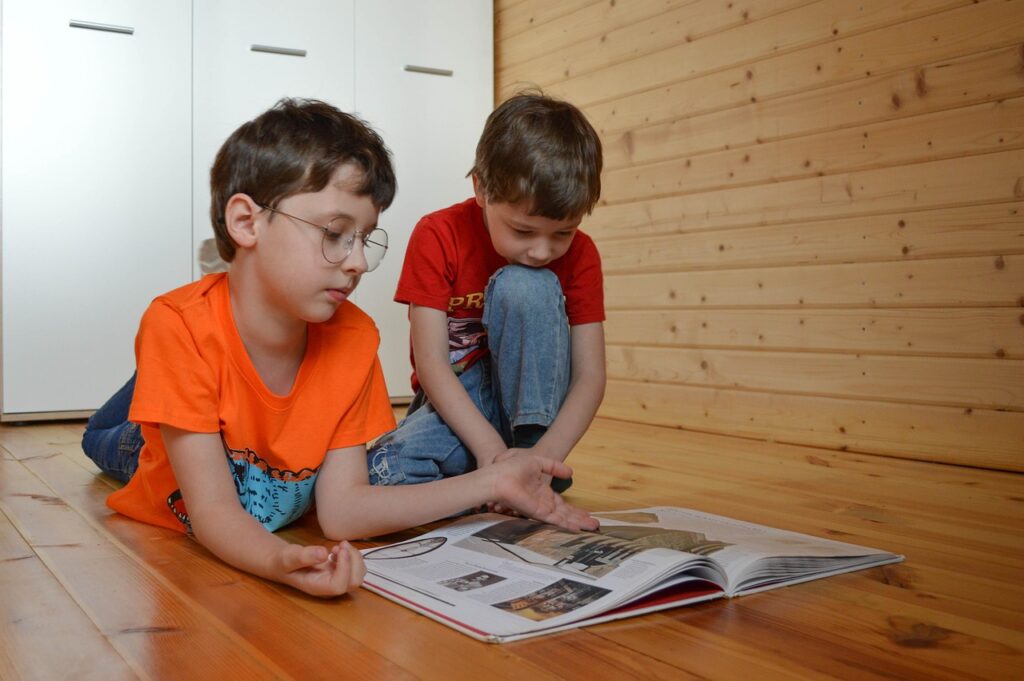
The biggest advantage of these methods is their accessibility. Every family, regardless of income level, can implement these techniques using items already available in their homes.
“Financial education should be a right, not a privilege based on economic status.”
Cultural Relevance
Using household items and cultural contexts makes financial education more relevant and memorable for children. They can see immediate connections between the lessons and their daily lives.
Family Bonding
These financial education activities often become family bonding experiences. Working together on money management builds trust and open communication about finances.
Challenges and Limitations
Time Constraints
Poor families often work long hours and may have limited time for structured financial education activities. The solution is to integrate financial lessons into daily routines rather than creating separate educational times.
“Financial education works best when woven into the fabric of daily life.”
Limited Financial Experience
Parents in poor families may have limited positive financial experiences to draw from. In these cases, focusing on basic concepts and small improvements is more effective than trying to teach advanced financial strategies.
External Pressures
Poor families often face significant external financial pressures that can undermine educational efforts. Acknowledging these challenges while maintaining focus on small, achievable steps is important.
Frequently Asked Questions
1. How can I teach financial literacy if I’m not financially literate myself?
Start with basic concepts you understand, like saving small amounts and avoiding unnecessary debt. Learn alongside your children using free resources from government financial education programs. The National Centre for Financial Education offers free materials in multiple languages.
2. What age should I start teaching my children about money?
Start as early as age 4-5 with simple concepts like identifying money and understanding that it’s limited. As children grow, introduce more complex topics like saving and budgeting. Make lessons age-appropriate and practical.
3. How do I explain poverty and financial limitations to children?
Be honest but hopeful. Explain that the family has limited resources now, but that financial education and smart decisions can improve the situation over time. Focus on what the family can control rather than what they can’t.
4. Can financial literacy really help poor families escape poverty?
Financial literacy alone won’t eliminate poverty, but it’s an essential tool. When combined with income opportunities and support systems, financial literacy helps families make the most of limited resources and avoid financial traps that keep people poor.
5. How do I teach about banking without access to a bank?
Start with basic concepts of keeping money safe and saving. Use the home banking system with jars or containers as described earlier. When possible, visit a bank to observe and learn about services. Many government programs now offer basic banking access even for poor families.
6. What if my children ask why we can’t buy things like other families?
Use this as a teaching moment about different family priorities and budgets. Explain that every family makes different choices based on their income and values. Focus on what your family values rather than what you lack.
7. How can I make financial education fun without toys?
Use games, stories, and challenges that don’t require physical materials. For example, have a “saving challenge” where everyone tries to save small amounts and reports back. Use storytelling and imagination to make abstract concepts engaging.
8. Are there government programs that support financial literacy for poor families?
Yes, programs like the National Centre for Financial Education and RBI’s financial education initiatives offer free resources. Additionally, some government poverty alleviation programs include financial education components. Check with local government offices for available programs.
9. How do I teach about digital financial services without a smartphone?
Focus on basic concepts of digital money and security. Explain that digital money is real money, just in a different form. When possible, observe others using digital services or visit government centers that may offer digital literacy training.
10. What’s the most important financial lesson for poor children?
The most important lesson is understanding that money is limited and requires careful management. This single concept underlies all other financial skills and helps children develop realistic expectations about money.
11. How can I measure if my financial education efforts are working?
Look for small changes in behavior, like children thinking before spending, showing interest in saving, or asking questions about money. These small indicators show that the lessons are having an impact.
12. What if my community doesn’t value financial education?
Lead by example. As you implement these techniques and see positive results, others will become interested. Start with your own family and share your successes with neighbors who might be interested.
Conclusion
Financial literacy for poor families is not just possible without expensive toys—it can be more effective because it uses real-life contexts and readily available materials. The methods described in this article require no financial investment, only creativity and consistency.
The key is to start where you are, use what you have, and focus on small, practical lessons that build over time. Financial education is a journey, not a destination, and every small step counts toward building a more secure financial future.
For more resources on financial education, visit our blog or explore our calculators for practical financial planning tools. If you need personalized financial guidance, our services page can connect you with appropriate resources. Don’t hesitate to contact us with specific questions about financial education in your community.
This content is for educational purposes and does not constitute personalised financial advice. For personalised advice, visit our services or contact pages.