Indian Toddlers Money Habits: 7 Magical Ways Festivals Teach Financial Wisdom
Introduction
Indian toddlers money habits begin forming earlier than most parents realize, and festivals play a surprisingly powerful role in this development. From Diwali’s excitement of receiving cash envelopes to Rakhi’s tradition of gift-giving, India’s festival calendar provides natural, engaging opportunities for young children to learn about money. This article explores how these cultural celebrations shape financial understanding in children as young as 2-4 years old, often without parents even realizing these valuable lessons are taking place.
“Financial wisdom doesn’t start with lessons—it starts with traditions passed through celebration.”
Why Festivals Are Perfect Financial Classrooms
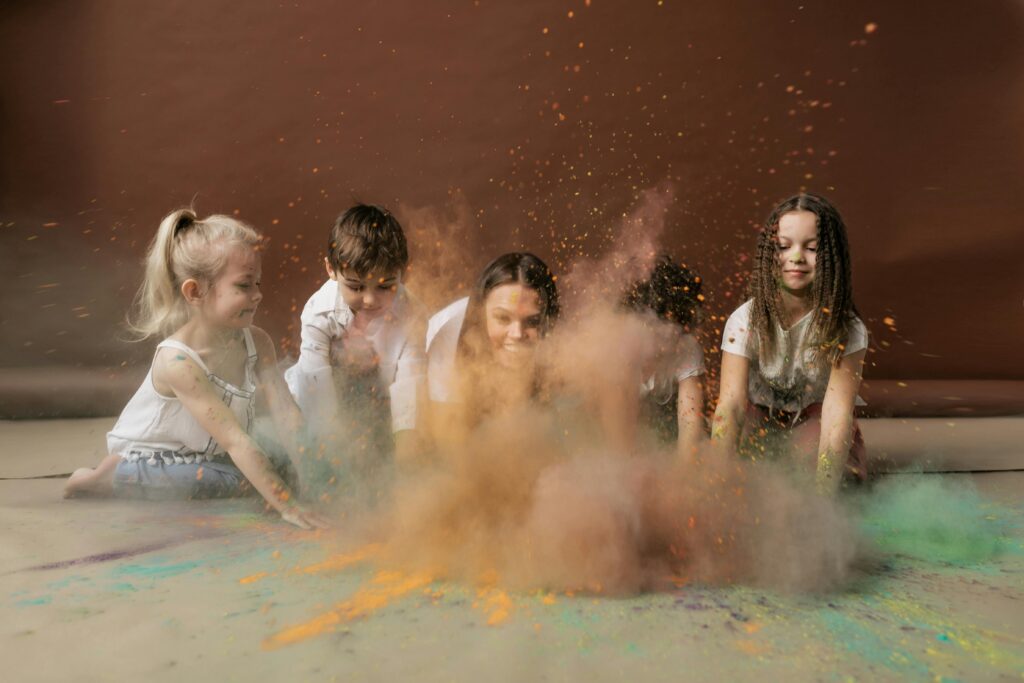
Festivals create ideal learning environments for Indian toddlers money habits because they combine emotion, tradition, and practical experience. Unlike formal financial education, which can be abstract for young children, festivals provide concrete, multisensory experiences with money that toddlers can see, touch, and understand.
“Children learn best when they don’t realize they’re being taught—something festivals do naturally.”
According to the National Institute of Public Finance and Policy, early financial socialization significantly impacts long-term money management skills. Festivals offer this early exposure in a culturally relevant context that makes financial concepts accessible to even the youngest children.
7 Festival-Based Money Lessons for Indian Toddlers
1. Diwali: The Power of Giving and Receiving
Diwali provides toddlers with their first experiences of structured money exchange through the tradition of giving and receiving cash gifts (shagun). This festival teaches Indian toddlers money habits through the tactile experience of handling money, counting coins, and understanding that money has value and purpose.
“The rustle of currency notes in Diwali envelopes is often a toddler’s first financial textbook.”
During Diwali, toddlers observe:
- The exchange of money as part of social relationships
- The concept of saving gifts for later use
- The joy of giving to others
- The connection between celebration and financial generosity
The Reserve Bank of India recognizes that early positive associations with money help build healthy financial attitudes later in life.
2. Raksha Bandhan: The Economics of Relationships
Raksha Bandhan teaches Indian toddlers money habits through the exchange of gifts between siblings. Toddlers observe or participate in selecting gifts, understanding that money is used to buy things for people we care about, and learning that relationships have both emotional and economic dimensions.
“A rakhi tied with love is often accompanied by gifts that teach toddlers about the economy of affection.”
This festival introduces concepts like:
- Budgeting for gifts
- Selecting appropriate presents within financial means
- The emotional value of giving versus receiving
- The connection between money and expressing care
3. Janmashtami: The Joy of Saving
Janmashtami’s tradition of breaking the dahi handi (pot of yogurt) can be used to teach Indian toddlers money habits through the concept of saving. Parents can create a “money pot” where toddlers add coins throughout the year, with a small celebration when it’s finally opened.
“Like the dahi handi that holds treasures, a savings pot holds lessons about patience and reward.”
This festival can teach:
- The concept of delayed gratification
- The satisfaction of watching savings grow
- The idea that small regular contributions add up
- The reward that comes from saving consistently
4. Eid: The Joy of Generosity
Eid celebrations, particularly the tradition of Eidi (gifts of money), offer excellent opportunities for teaching Indian toddlers money habits. Children receive money from elders and often learn about sharing with those less fortunate.
“The exchange of Eidi teaches toddlers that money flows in circles of generosity and gratitude.”
This festival introduces:
- The cultural tradition of monetary gifting
- The concept of charity and helping others
- The social aspects of money exchange
- The idea of money as a tool for community connection
5. Pongal/Makar Sankranti: The Value of Hard Work
These harvest festivals naturally teach Indian toddlers money habits by connecting money to productivity and hard work. Parents can explain how the harvest represents the result of hard work, just as money comes from effort and contribution.
“Harvest festivals show toddlers that money, like crops, grows from seeds of effort and care.”
These festivals teach:
- The connection between work and reward
- The value of productivity and contribution
- The concept of abundance from careful effort
- The importance of sharing prosperity
6. Ganesh Chaturthi: The Economics of Celebration
Ganesh Chaturthi involves bringing home an idol, worshipping it, and finally immersing it—a process that can teach Indian toddlers money habits related to planning, budgeting for celebrations, and understanding the costs involved in family traditions.
“From clay to water, Ganesh Chaturthi teaches the cycle of resources and their value.”
This festival can teach:
- Budgeting for celebration expenses
- Making choices about how to allocate resources
- Understanding that celebrations have financial aspects
- The difference between necessary and discretionary spending
7. Onam: The Abundance of Sharing
Onam’s grand feast (sadya) and traditions can teach Indian toddlers money habits through the lens of abundance and sharing. The festival’s emphasis on community and equality offers lessons about resource distribution and the joy of shared prosperity.
“Onam’s feast teaches toddlers that the greatest wealth is often found at a shared table.”
This festival introduces:
- The concept of abundance and scarcity
- The value of sharing resources within a community
- The difference between individual and collective prosperity
- The idea that some of the best things in life don’t cost money
How Toddlers Absorb These Financial Lessons
Observation and Imitation
Indian toddlers money habits develop primarily through watching and copying adult behavior during festivals. When toddlers see parents budgeting for gifts, exchanging money, or discussing festival expenses, they absorb these behaviors as normal and desirable.
“Children are financial sponges, soaking up money habits from every festival interaction.”
The National Council of Educational Research and Training emphasizes that observational learning is one of the most powerful ways young children acquire behaviors and values, including those related to money.
Emotional Association
Festivals create strong positive emotions around money exchanges. When Indian toddlers money habits are formed during happy celebrations, they develop positive associations with money that can last a lifetime.
“Money touched by festival joy becomes money understood with wisdom.”
Research from the Indian Institute of Psychology indicates that emotions significantly enhance memory formation in young children, making festival-based financial lessons particularly effective.
Hands-On Experience
Festivals provide Indian toddlers with direct experience handling money, whether receiving cash gifts, helping count money, or selecting items to purchase. This tactile experience is crucial for developing concrete understanding of money concepts.
“Tiny fingers learning to count rupees during festivals are building foundations for financial literacy.”
The Ministry of Women and Child Development recognizes the importance of experiential learning in early childhood development, including financial education.
Comparison: Festival Learning vs. Formal Financial Education
| Festival-Based Financial Learning | Formal Financial Education |
|---|---|
| Emotionally engaging and memorable | Often abstract and conceptual |
| Integrated into cultural traditions | Separate from daily life |
| Occurs naturally during celebrations | Requires structured teaching |
| Involves whole family participation | Often individual learning |
| Teaches through observation and imitation | Teaches through direct instruction |
| Focuses on values and relationships | Focuses on technical knowledge |
| Creates positive money associations | May feel like a chore |
| Contextual within cultural framework | May lack cultural relevance |
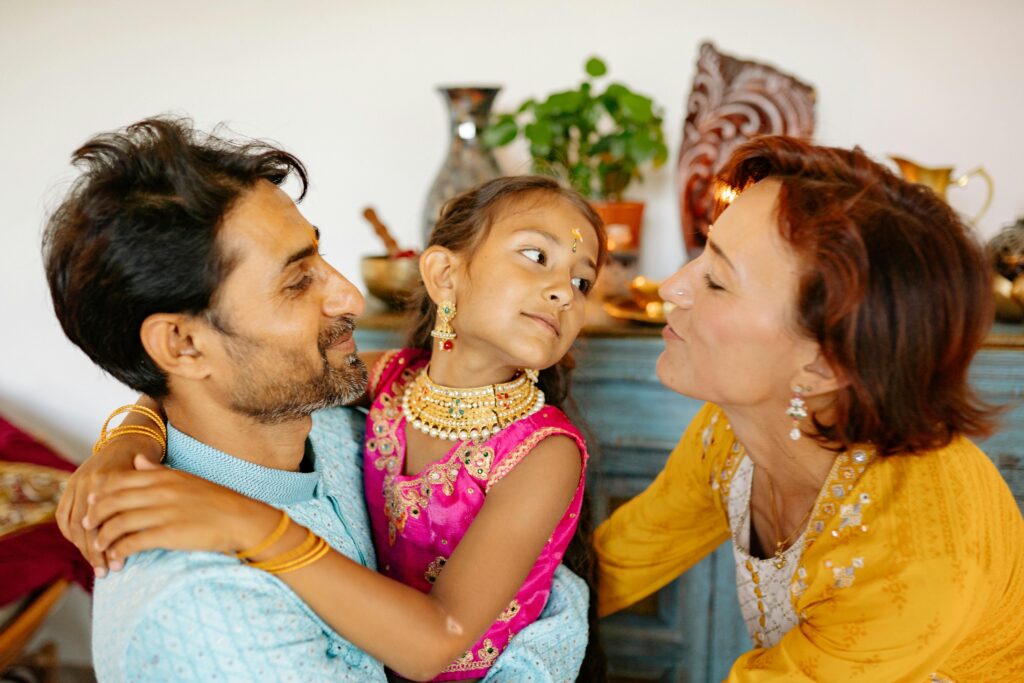
Adapting Festival Traditions for Modern Financial Education
Creating Festival Savings Jars
Parents can enhance Indian toddlers money habits by creating special savings jars for different festivals. For example, a Diwali jar where toddlers can save money throughout the year, or a Rakhi jar specifically for gifts to siblings.
“Festival savings jars transform abstract saving into tangible, goal-oriented activity.”
The Securities and Exchange Board of India recommends early saving habits as foundational for long-term financial health, and festival-themed savings make this activity engaging for toddlers.
Festival Budgeting with Visual Aids
Parents can create simple visual budgets for festival celebrations that Indian toddlers can understand. Using pictures, tokens, or simple charts to show how money will be spent helps toddlers grasp basic budgeting concepts.
“Visual budgets turn complex financial planning into something even toddlers can comprehend.”
Festival Gift Planning Activities
Involving toddlers in planning gifts for others during festivals teaches them about thoughtful spending and the emotional aspects of money. This can be as simple as helping choose between two gifts or making a card to accompany a purchased gift.
“When toddlers help select gifts, they learn that money is a tool for expressing love and care.”
Pros and Cons of Using Festivals to Teach Money Habits
Advantages:
- Culturally relevant and naturally engaging for Indian toddlers money habits development
- Creates positive emotional associations with money
- Involves whole family in financial education
- Teaches money within context of values and relationships
- Provides concrete, hands-on experience with money
- Connects financial learning to cultural identity
- Occurs naturally without feeling like formal education
Disadvantages:
- May reinforce gender stereotypes in traditional families
- Could encourage excessive spending if not balanced properly
- Festival expenses might create financial stress for some families
- Traditional practices may not align with modern financial principles
- Religious aspects may not be suitable for all families
- Festival commercialization can send mixed messages about money
- May not cover all necessary financial concepts systematically
Frequently Asked Questions
At what age can toddlers start learning about money through festivals?
Children as young as 2-3 years can begin absorbing basic money concepts during festivals through observation and simple participation. The key is matching activities to their developmental stage for healthy Indian toddlers money habits.
How can I teach my toddler about saving during Diwali?
Create a special Diwali savings jar where your toddler can add coins throughout the year. Let them participate in counting the money and discuss what it might be used for when the festival arrives.
Are religious festivals appropriate for teaching money habits to all Indian families?
Yes, while the religious aspects vary, the core financial lessons—giving, saving, budgeting, and sharing—are universal values that can be emphasized regardless of religious background for developing Indian toddlers money habits.
How can I avoid overspending during festivals while still teaching money habits?
Set clear budgets in advance and involve your toddler in simple decision-making. Focus on the non-material aspects of celebrations and explain that joy comes from more than just expensive gifts.
What if my family can’t afford elaborate festival celebrations?
Simple celebrations can be even more effective for teaching Indian toddlers money habits. Focus on homemade gifts, shared activities, and explaining that the value comes from togetherness, not expensive items.
How do I explain the concept of charity to a toddler during festivals?
Use simple language and concrete examples. Let them give a small amount to someone in need while explaining that sharing helps others. The act of giving is more important than the amount.
Can festival-based money lessons conflict with modern financial principles?
Some traditional practices may need adaptation. Focus on the core values (generosity, planning, saving) while updating specific practices to align with modern financial wisdom for Indian toddlers money habits.
How can I balance tradition and modern financial education during festivals?
Honor cultural traditions while adding simple modern elements like discussing budgets, comparing prices, or using digital payment methods alongside traditional cash exchanges.
What’s the most important money habit toddlers can learn from festivals?
The understanding that money is a tool for expressing values, relationships, and cultural identity—not just a means to acquire things.
How can I extend festival money lessons throughout the year?
Create simple routines that connect to festival lessons, like a year-round savings jar, regular giving activities, or discussing family budget decisions in age-appropriate ways.
Are there any specific Indian festivals that are best for teaching money habits?
All major festivals offer unique opportunities for Indian toddlers money habits. Diwali for giving/receiving, Rakhi for relationship economics, harvest festivals for hard work/reward, and Eid for generosity are particularly effective.
How can I involve extended family in teaching money habits during festivals?
Share your approach with relatives and suggest simple ways they can participate, like giving small cash gifts with brief explanations, or involving toddlers in simple festival shopping decisions.
Conclusion
Indian toddlers money habits develop naturally through the rich tapestry of festival celebrations that mark the Indian calendar. These cultural traditions provide perfect, engaging contexts for introducing fundamental financial concepts in ways that are meaningful, memorable, and culturally relevant. From Diwali’s gift exchanges to Rakhi’s relationship economics, each festival offers unique opportunities for toddlers to absorb lessons about money’s value, purpose, and connection to cultural identity.
By recognizing and enhancing these natural learning moments, parents can help their toddlers develop healthy financial attitudes that will serve them throughout life. The key is to balance tradition with thoughtful adaptation, ensuring that festival celebrations teach not just cultural values but sound financial principles as well.
For more tools to support your child’s financial education journey, explore our kiddie-budget-calculator or check out our child-medical-calculator for planning expenses. If you need personalized guidance, don’t hesitate to contact us or learn more about our services.
This content is for educational purposes and does not constitute personalised financial advice. For personalised advice, visit our services or contact pages.