Gender-Neutral Financial Education for Toddlers: 5 Powerful Ways to Break Money Stereotypes in India
Gender-Neutral Financial Education for Toddlers is becoming increasingly important as Indian parents recognize the need to break traditional money stereotypes that limit children’s potential. By teaching financial concepts without gender bias, we can create a generation that views money management as a universal skill rather than gender-specific roles.
“The financial habits we instill in toddlers today will shape not just their future, but the economic equality of tomorrow’s India.”
This comprehensive guide explores Gender-Neutral Financial Education for Toddlers in the Indian context, addressing the critical gap in inclusive financial learning. We’ll examine how to break harmful stereotypes like “papa earns, mama saves” and provide practical strategies for raising financially literate children free from gender constraints.
The Current State of Gender-Neutral Financial Education for Toddlers in India
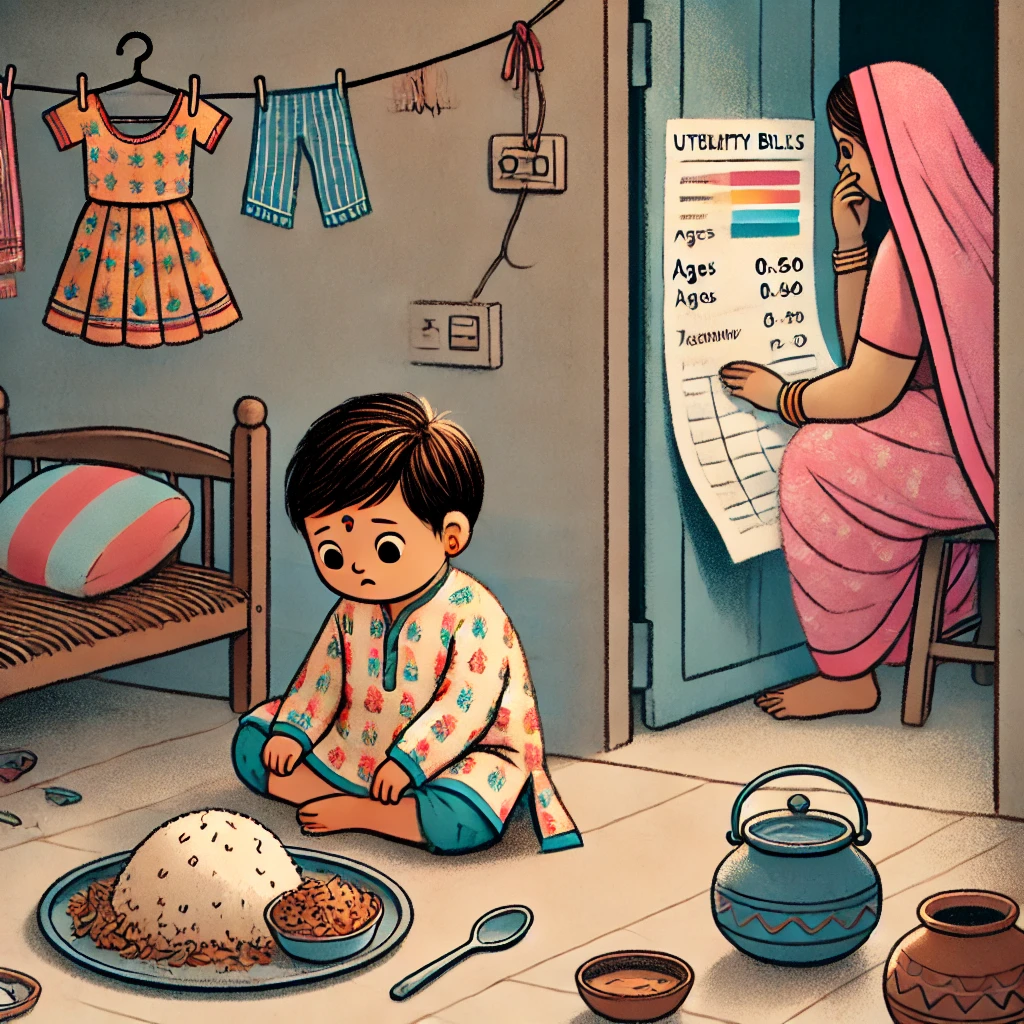
Gender-Neutral Financial Education for Toddlers remains largely overlooked in India, where traditional gender roles continue to influence how children learn about money. Most financial education materials and parenting approaches inadvertently reinforce stereotypes that limit children’s financial development.
“Indian homes often teach financial lessons through gendered lenses,不知不觉地 shaping children’s beliefs about who should handle money and how.”
According to the National Council of Educational Research and Training (NCERT), gender stereotypes in early education can have long-lasting effects on children’s career choices and financial behaviors. Gender-Neutral Financial Education for Toddlers challenges these ingrained patterns by presenting money management as a universal skill.
The Ministry of Women and Child Development has acknowledged this gap in their early childhood development frameworks, noting that financial education rarely addresses gender neutrality, even though it’s crucial for building equitable societies.
Breaking the “Papa Earns, Mama Saves” Stereotype
Gender-Neutral Financial Education for Toddlers directly challenges the pervasive “papa earns, mama saves” stereotype that persists in many Indian households. This harmful narrative limits both boys and girls by assigning specific financial roles based on gender rather than individual aptitude and interest.
“When toddlers hear that fathers handle earning while mothers manage saving, they absorb limiting beliefs that can restrict their financial futures.”
The Reserve Bank of India emphasizes that early financial socialization significantly impacts adult financial behaviors. Gender-Neutral Financial Education for Toddlers ensures that children learn that both earning and saving are universal skills, not gender-specific roles.
Breaking this stereotype requires conscious effort from parents to model and verbalize financial activities that transcend traditional gender boundaries. This includes showing children that both parents can earn, save, invest, and make financial decisions.
Play-Based Gender-Neutral Financial Education for Toddlers
Gender-Neutral Financial Education for Toddlers thrives through play-based activities that naturally incorporate financial concepts without gender bias. Play provides a natural, engaging context for children to explore money management roles freely.
“Through play, toddlers discover that financial skills belong to everyone, not just boys or girls—creating foundational beliefs about economic equality.”
Research from the National Institute of Public Cooperation and Child Development shows that play-based learning is particularly effective for toddlers, as it allows them to explore concepts through hands-on experiences. Gender-Neutral Financial Education for Toddlers leverages this approach by providing toys and activities that present financial roles as universal.
Activities like running a pretend store, playing with gender-neutral cash registers, or engaging in family budgeting games allow toddlers to experience various financial roles without gender constraints. These experiences build neural pathways that support equitable financial thinking.
Cultural Context of Gender-Neutral Financial Education for Toddlers in India
Gender-Neutral Financial Education for Toddlers must navigate India’s diverse cultural landscape, where traditional gender roles vary significantly across regions, communities, and socioeconomic backgrounds.
“India’s rich cultural diversity requires nuanced approaches to Gender-Neutral Financial Education for Toddlers that respect local contexts while promoting equality.”
The Ministry of Culture recognizes that financial practices and gender roles vary widely across India’s diverse communities. Gender-Neutral Financial Education for Toddlers must be adaptable to different cultural contexts while maintaining its core equality principles.
In some Indian communities, women have traditionally managed household finances, while in others, financial decision-making has been predominantly male-dominated. Effective Gender-Neutral Financial Education for Toddlers acknowledges these variations while promoting the universal value of financial skills for all children.
Practical Strategies for Gender-Neutral Financial Education for Toddlers
Implementing Gender-Neutral Financial Education for Toddlers requires practical, everyday strategies that parents can easily incorporate into their routines. These small but consistent actions can significantly impact children’s developing financial identities.
“Gender-Neutral Financial Education for Toddlers happens not in formal lessons, but in the countless small moments when children observe and absorb financial behaviors.”
The National Centre for Financial Education recommends starting with simple actions like using gender-neutral language when discussing money, ensuring both parents are visible in financial activities, and providing equal opportunities for all children to engage with financial toys and games.
Gender-Neutral Financial Education for Toddlers also involves consciously selecting books, media, and toys that present diverse financial role models. Parents should actively point out and discuss examples of people of all genders managing money in various ways.
Challenges in Implementing Gender-Neutral Financial Education for Toddlers
Despite its importance, Gender-Neutral Financial Education for Toddlers faces several challenges in the Indian context, from societal resistance to practical implementation barriers.
“The path to Gender-Neutral Financial Education for Toddlers isn’t always smooth, but each challenge overcome creates more equitable opportunities for the next generation.”
Societal expectations and extended family influences often contradict Gender-Neutral Financial Education for Toddlers efforts. Grandparents, relatives, and community members may unintentionally reinforce traditional gender roles around money, creating confusion for toddlers.
The National Institute of Public Cooperation and Child Development also notes that many parents lack confidence in implementing gender-neutral approaches, often due to their own gendered upbringing. Gender-Neutral Financial Education for Toddlers requires parents to unlearn their own biases while learning new approaches.
Resources and Tools for Gender-Neutral Financial Education for Toddlers
Gender-Neutral Financial Education for Toddlers is supported by a growing number of resources and tools designed specifically for the Indian context. These materials help parents implement inclusive financial education effectively.
“The right resources can transform Gender-Neutral Financial Education for Toddlers from an abstract concept into practical, daily reality.”
The Central Board of Secondary Education (CBSE) has begun developing inclusive educational materials that support Gender-Neutral Financial Education for Toddlers, recognizing the importance of early intervention in promoting equality.
Additionally, Indian publishers and toy manufacturers are increasingly creating gender-neutral financial education products. From storybooks featuring diverse financial role models to toys that present money management as universal skills, these resources make Gender-Neutral Financial Education for Toddlers more accessible to Indian families.
Long-Term Benefits of Gender-Neutral Financial Education for Toddlers
Gender-Neutral Financial Education for Toddlers offers significant long-term benefits that extend beyond individual development to contribute to broader societal change and economic equality.
“The impact of Gender-Neutral Financial Education for Toddlers ripples through time, creating more equitable workplaces, households, and communities.”
Research from the NITI Aayog suggests that early gender-neutral education contributes to more diverse career choices, reduced wage gaps, and more equitable distribution of financial responsibilities in adulthood. Gender-Neutral Financial Education for Toddlers plants seeds for these positive outcomes.
Children who experience Gender-Neutral Financial Education for Toddlers are more likely to develop confidence in their financial abilities, pursue diverse career paths, and establish equitable partnerships in their adult lives. These individual benefits collectively contribute to a more balanced and prosperous economy.

Pros and Cons of Gender-Neutral Financial Education for Toddlers
Pros:
- Promotes financial confidence and competence in all children regardless of gender
- Breaks intergenerational cycles of gender-based financial limitations
- Expands children’s future career and economic possibilities
- Creates more equitable distribution of financial responsibilities in future families
- Supports cognitive development by presenting diverse role models and scenarios
- Aligns with modern workplace realities where financial skills are universal
- Contributes to broader gender equality efforts in society
Cons:
- May face resistance from family members with traditional views
- Requires consistent effort and awareness from parents
- Limited availability of gender-neutral financial education resources in some regions
- Can create tension when children encounter gendered financial roles outside the home
- Requires parents to address their own unconscious biases about gender and money
- May challenge cultural norms in some communities
- Needs to be balanced with cultural sensitivity and respect for diversity
Comparison: Traditional vs. Gender-Neutral Financial Education Approaches
| Aspect | Traditional Financial Education | Gender-Neutral Financial Education for Toddlers |
|---|---|---|
| Role Models | Gender-specific (men as earners, women as savers) | Diverse, gender-inclusive role models |
| Language | Gendered pronouns and role descriptions | Gender-neutral language and inclusive terminology |
| Activities | Segregated by gender (boys learn investing, girls learn budgeting) | Universal activities for all children regardless of gender |
| Toys and Materials | Often gender-stereotyped (pink cash registers for girls, blue for boys) | Gender-neutral design and marketing |
| Parental Involvement | Often follows traditional gender roles in demonstrations | Both parents equally involved in all financial activities |
| Long-term Impact | Can limit career aspirations and financial confidence | Expands possibilities and builds universal financial competence |
| Cultural Alignment | May reinforce traditional gender roles in some communities | Challenges traditional norms while promoting equality |
FAQ: Gender-Neutral Financial Education for Toddlers
- At what age should I start gender-neutral financial education?
Gender-Neutral Financial Education for Toddlers can begin as early as age 2-3, when children start noticing gender differences and absorbing social messages about roles and capabilities.
- How can I implement gender-neutral financial education if extended family members resist?
Focus on consistency in your immediate family approach, have respectful conversations with relatives about your values, and explain the long-term benefits for your child’s development and future opportunities.
- What are some simple activities for gender-neutral financial education at home?
Activities include running pretend stores with gender-neutral roles, using diverse storybooks about money, involving all children in household financial discussions, and providing equal access to financial toys and games.
- How do I address gendered financial messages in media and society?
Watch media together and discuss gender stereotypes when they appear, provide counter-examples of diverse financial role models, and help children critically analyze the messages they receive.
- Are there specific toys that support gender-neutral financial education?
Look for gender-neutral cash registers, diverse career-focused play sets, books featuring various people managing money, and banking toys that don’t use gender-specific marketing or colors.
- How does gender-neutral financial education benefit boys as well as girls?
It frees boys from pressure to be primary earners, teaches them all financial skills including traditionally “feminine” ones like budgeting, and prepares them for equitable partnerships in adulthood.
- What if my child shows preference for traditional gender roles in financial play?
Follow their interests while gently introducing diversity, provide exposure to various financial roles, and avoid reinforcing stereotypes. Children’s preferences often evolve with exposure to diverse examples.
- How can schools support gender-neutral financial education?
Schools can use inclusive curriculum materials, provide diverse financial role models, avoid gender-segregated activities, and train teachers to recognize and address unconscious biases in financial education.
- Are there cultural considerations for gender-neutral financial education in India?
Yes, approaches should respect cultural diversity while promoting equality. Some communities may need more gradual implementation and culturally sensitive framing of gender-neutral concepts.
- How do I handle gendered financial messages in religious and cultural traditions?
Acknowledge the cultural significance while helping children understand historical context and distinguish between cultural traditions and modern equality values. Focus on universal principles of fairness and capability.
- What resources are available in Indian languages for gender-neutral financial education?
Resources are growing but still limited. Look for translated books from international publishers, materials from organizations like NCERT, and content from Indian NGOs promoting gender equality in education.
- How does gender-neutral financial education impact future career choices?
It expands children’s career aspirations by removing gender-based limitations, helping them see all professions as accessible regardless of gender, and building confidence in their financial capabilities for any career path.
In conclusion, Gender-Neutral Financial Education for Toddlers represents a crucial step toward creating a more equitable society where all children can develop their full financial potential without gender constraints. By breaking stereotypes like “papa earns, mama saves” and providing inclusive financial learning experiences, we can raise a generation that views money management as a universal skill. This approach not only benefits individual children but contributes to broader economic equality and social progress in India. For personalized guidance on implementing gender-neutral financial education in your family, visit our services or contact pages. This content is for educational purposes and does not constitute personalised financial advice. For personalised advice, visit our services or contact pages.