3 Fun Ways of Cash vs UPI Explained to Toddlers: Teaching Digital Money Simply

Cash vs UPI Explained to Toddlers: Making Digital Money Understandable for Little Minds
Cash vs UPI explained to toddlers begins not with complex financial concepts, but with my 3-year-old nephew’s fascination with my smartphone. “Mama, phone money!” he exclaimed, pointing at my UPI app after watching me pay for groceries. That moment of curiosity revealed the need for cash vs UPI explained to toddlers in ways their developing minds can grasp—concrete, visual, and connected to their everyday experiences. For more tips on teaching young children about money, visit our blog.
“Explaining cash vs UPI to toddlers isn’t about teaching complex financial systems—it’s about helping them understand the different ways people exchange things they want, using concrete examples from their world of play and discovery.”
This comprehensive guide explores simple, engaging ways to make cash vs UPI explained to toddlers meaningful and fun, using the power of play, observation, and hands-on learning.
Why Cash vs UPI Explained to Toddlers Matters in the Digital Age
The Digital Native Dilemma
Today’s toddlers are growing up in a world where digital payments are ubiquitous. Research from the National Institute of Mental Health and Neurosciences shows that children as young as 2 years old can observe and begin to understand different payment methods when explained in concrete terms.
“Cash vs UPI explained to toddlers is essential because these children are digital natives who will grow up in a world where physical cash and digital payments coexist. Early understanding builds confidence and reduces confusion.”
Our financial quiz can help parents assess their toddler’s readiness for learning about different payment methods.
The Developmental Window for Payment Concepts
Toddlers are at the perfect stage for cash vs UPI explained to toddlers because they’re:
- Naturally curious about how things work
- Learning through observation and imitation
- Developing understanding of concrete vs. abstract concepts
- Building foundations for future financial literacy
The National Council of Educational Research and Training emphasizes that early exposure to basic economic concepts through play supports cognitive development.
3 Simple Methods for Cash vs UPI Explained to Toddlers
1. The Play Store Method: Learning Through Pretend Shopping
Cash vs UPI explained to toddlers works beautifully through pretend play, which is how toddlers naturally learn about their world.
Setup Your Play Store:
- Create a simple store with toys or household items
- Use play money (coins and bills) for cash payments
- Use a toy phone or cardboard phone for UPI payments
- Add price tags with simple numbers (₹5, ₹10, ₹20)
Teaching Steps:
- Show Cash: “This is money you can hold” (let toddler touch play money)
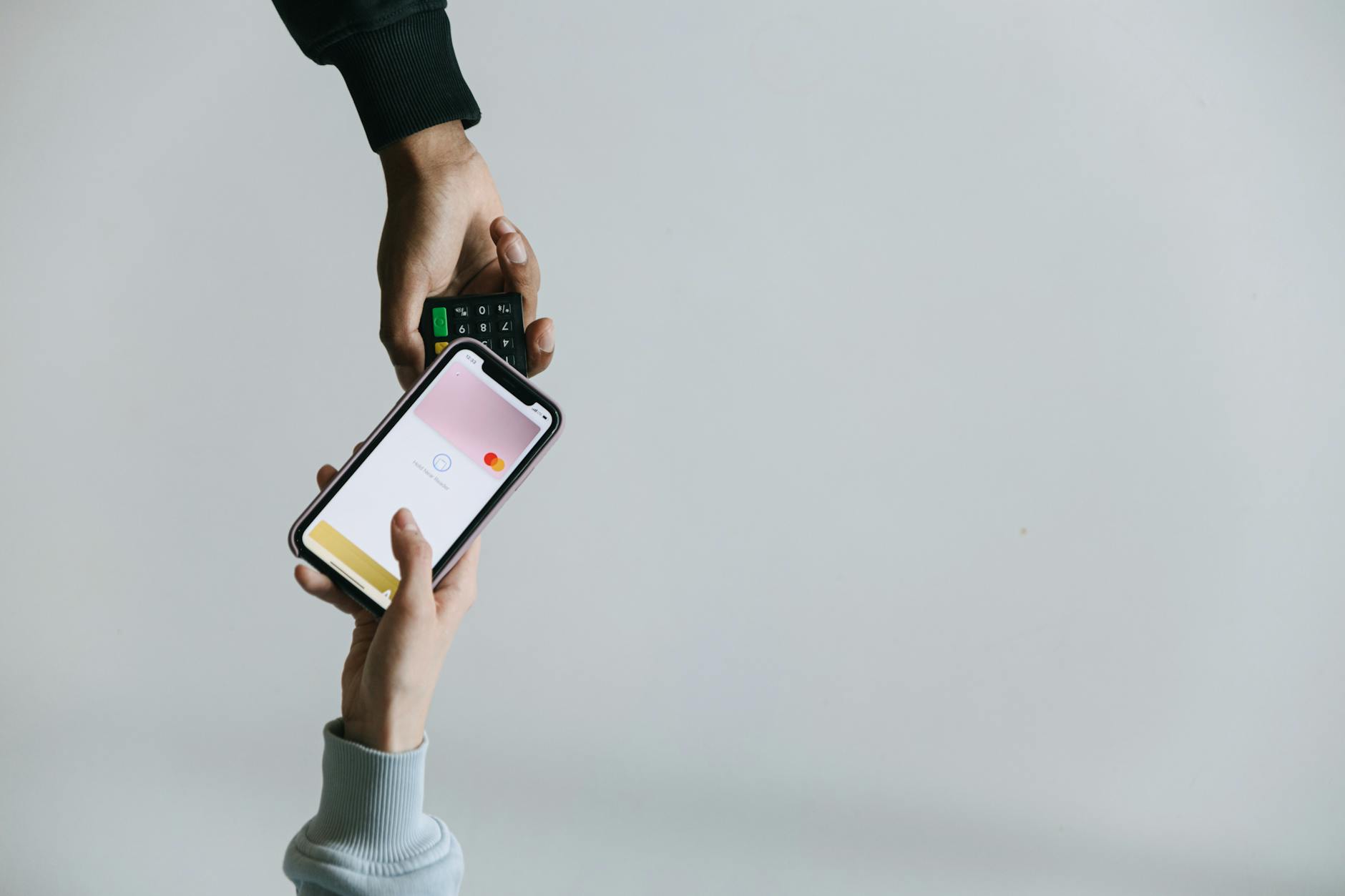
- Show UPI: “This is phone money” (show phone screen)
- Demonstrate: “We can pay with money we hold OR phone money”
- Practice: Let toddler try both payment methods
Real Learning: The Patel family used this method and their 3-year-old daughter now understands that some payments involve physical money while others use “phone money,” demonstrating how cash vs UPI explained to toddlers can work through play.
Our household calculator can help parents create simple price tags for play stores.
2. The Real-World Observation Method: Learning Through Daily Life
Cash vs UPI explained to toddlers becomes meaningful when children observe real payment transactions in their daily environment.
Observation Opportunities:
- Shopping Trips: Point out different payment methods at stores
- Restaurant Visits: Watch waiters bring payment machines
- Street Vendors: Notice who uses cash vs. digital payments
- Home Deliveries: Observe delivery agents with payment machines
Teaching Script: “See, that person is using money they can hold (cash). That person is using their phone to pay (UPI). Both ways help us get what we need!”
Safety Note: Always ensure toddlers are at a safe distance when observing real transactions. Cash vs UPI explained to toddlers should never compromise safety.
3. The Sensory Box Method: Learning Through Touch and Sight
Cash vs UPI explained to toddlers works well when children can experience the sensory differences between payment methods.
Create Your Sensory Box:
- Cash Side: Play coins and bills of different sizes
- UPI Side: Pictures of phones, payment apps, QR codes
- Mixed Items: Toy credit cards, payment terminals
- Activity Cards: Simple prompts for different payment scenarios
Learning Activities:
- Sorting Game: “Which items are for holding money? Which are for phone money?”
- Matching Game: Match items to payment methods
- Story Time: Create simple stories about different payment methods
Our kiddie budget calculator can help create visual aids for teaching payment concepts.
Age-Appropriate Understanding: Cash vs UPI Explained to Toddlers
For Toddlers 18-24 Months
Focus: Basic recognition and simple concepts Understanding Level: Can identify physical money vs. phones Teaching Approach: Simple pointing and naming Key Concept: “Money you hold” vs. “Phone money”
For Toddlers 24-30 Months
Focus: Basic function and purpose Understanding Level: Understands both methods get things we want Teaching Approach: Simple demonstrations and pretend play Key Concept: “Both ways help us buy things”
For Toddlers 30-36 Months
Focus: Simple process understanding Understanding Level: Can follow basic steps of each payment method Teaching Approach: More complex pretend play and real observation Key Concept: “Hold money and give” vs. “Show phone and tap”
Cash vs UPI Explained to Toddlers: Simple Comparison Table
| Feature | Cash (Money You Hold) | UPI (Phone Money) |
|---|---|---|
| What it is | Money you can touch and hold | Money on your phone |
| How to use | Give to person | Show phone and tap |
| What you need | Physical coins and bills | Phone and app |
| Where it works | Most places | Many stores, some places |
| Good for | Small purchases | Quick and easy payments |
| Not so good for | Very large amounts | Places without internet |
Pros and Cons of Teaching Cash vs UPI Explained to Toddlers
The Bright Side: Benefits of Early Payment Education
- Future Readiness: Prepares children for digital financial world
- Cognitive Development: Builds understanding of abstract vs. concrete
- Observation Skills: Enhances ability to notice details in environment
- Language Development: Introduces new vocabulary and concepts
- Confidence Building: Reduces confusion about payment methods
- Safety Awareness: Begins foundation for understanding security
- Practical Life Skills: Prepares for real-world experiences
The Challenges to Consider
- Complexity: Payment concepts can be abstract for toddlers
- Attention Span: Toddlers may lose interest quickly
- Safety Concerns: Need to protect phones and payment information
- Screen Time: UPI explanation involves phone use
- Generalization: Toddlers may overgeneralize concepts
- Parental Consistency: Requires regular reinforcement
- Developmental Readiness: Some toddlers may not be ready yet
Practical Tips for Parents: Making Cash vs UPI Explained to Toddlers Successful
Keep It Simple and Concrete
Use Real Objects: Toddlers learn best with tangible items they can touch and see. Cash vs UPI explained to toddlers should always involve physical objects when possible.
Connect to Daily Life: Use examples from your toddler’s everyday experiences. Cash vs UPI explained to toddlers works best when connected to familiar routines like shopping or eating out.
Follow Their Lead: Pay attention to what interests your toddler and expand on that. Cash vs UPI explained to toddlers should be child-directed, not forced.
Make It Fun and Engaging
Use Play: Turn learning into games. Cash vs UPI explained to toddlers through play is most effective.
Be Enthusiastic: Your excitement is contagious. Cash vs UPI explained to toddlers works better when you’re having fun too.
Keep It Short: Toddlers have short attention spans. Cash vs UPI explained to toddlers should happen in brief, frequent sessions.
Ensure Safety and Security
Protect Personal Information: Never show real account details or passwords. Cash vs UPI explained to toddlers should never compromise security.
Supervise Phone Use: Always supervise when demonstrating UPI. Cash vs UPI explained to toddlers requires careful supervision.
Teach Boundaries: Help toddlers understand phones are tools, not toys. Cash vs UPI explained to toddlers includes teaching appropriate phone use.
Real Parent Experiences: Cash vs UPI Explained to Toddlers
The Gupta Family’s Success
“We started cash vs UPI explained to toddlers with our 2-year-old son using the play store method. He now proudly tells everyone ‘I pay with phone money!’ when we use UPI. It’s amazing how quickly toddlers can grasp these concepts when explained simply.”
Single Parent Experience
“As a single mom, I was worried about teaching my daughter about payments. Cash vs UPI explained to toddlers became part of our shopping routine. Now at age 3, she understands both methods and even reminds me when I forget my phone for UPI!”
Grandparent Involvement
“Grandparents were skeptical about cash vs UPI explained to toddlers, but they’ve become our best teachers. They use traditional coins and explain digital payments in ways that connect to their life experiences. Our grandchildren love learning from them!”
Safety Considerations: Cash vs UPI Explained to Toddlers
Protecting Personal Information
Never Share Real Account Details: Always use pretend or demo accounts when teaching. Cash vs UPI explained to toddlers should never involve real financial information.
Use Demo Apps: Many banks have demo versions of their apps. Cash vs UPI explained to toddlers can use these safe alternatives.
Teach Privacy: Help toddlers understand that phones and money are private. Cash vs UPI explained to toddlers includes basic privacy concepts.
Ensuring Physical Safety
Supervise All Activities: Always stay with your toddler during payment lessons. Cash vs UPI explained to toddlers requires constant supervision.
Use Safe Objects: Ensure all teaching materials are safe for toddlers. Cash vs UPI explained to toddlers should use age-appropriate materials.
Create Safe Spaces: Teach about payments in safe, controlled environments. Cash vs UPI explained to toddlers should happen in secure settings.
Your Questions About Cash vs UPI Explained to Toddlers Answered
Q1: At what age should I start cash vs UPI explained to toddlers?
A: Cash vs UPI explained to toddlers can begin around 18-24 months when toddlers start showing curiosity about money and phones. The National Institute of Public Cooperation and Child Development recommends early exposure to basic economic concepts.
Q2: How do I know if my toddler is ready to learn about payment methods?
A: Look for curiosity about money, phones, or shopping. Cash vs UPI explained to toddlers works best when children show natural interest in these topics.
Q3: What if my toddler gets confused between cash and UPI?
A: Confusion is normal! Cash vs UPI explained to toddlers requires patience and repetition. Use simple, concrete examples and don’t worry if they don’t get it right away.
Q4: How can I make cash vs UPI explained to toddlers fun?
A: Use play, songs, and games! Cash vs UPI explained to toddlers should be enjoyable. Our NRI setup calculator principles can help create playful learning activities.
Q5: Is it safe to teach toddlers about UPI and digital payments?
A: Yes, if done carefully. Cash vs UPI explained to toddlers should always use demo apps and never show real account information.
Q6: What if my toddler becomes too interested in my phone for payments?
A: Set clear boundaries. Cash vs UPI explained to toddlers should include teaching that phones are tools, not toys.
Q7: How do I explain security aspects of UPI to toddlers?
A: Keep it simple: “Phone money is special and private.” Cash vs UPI explained to toddlers should focus on basic safety concepts.
Q8: Can grandparents help with cash vs UPI explained to toddlers?
A: Absolutely! Grandparents often have wonderful ways of explaining traditional and modern concepts. Cash vs UPI explained to toddlers can be a great intergenerational activity.
Q9: What resources support cash vs UPI explained to toddlers?
A: The National Payments Corporation of India offers simple educational materials about digital payments that can be adapted for toddlers.
Q10: How do I know if cash vs UPI explained to toddlers is working?
A: Look for recognition of different payment methods and simple understanding. Cash vs UPI explained to toddlers shows success when toddlers can identify and talk about both methods.
Building Future Financial Confidence: Cash vs UPI Explained to Toddlers
Cash vs UPI explained to toddlers is more than just teaching about payment methods—it’s about building confidence and understanding in a rapidly changing financial world. When toddlers learn about different ways people exchange value, they develop foundational skills that serve them throughout their financial lives.
The journey of cash vs UPI explained to toddlers should be filled with joy, discovery, and natural learning. Every pretend shopping trip, every observation of real payments, and every simple explanation contributes to your toddler’s growing understanding of the financial world.
Remember that cash vs UPI explained to toddlers isn’t about creating financial experts—it’s about building comfort, curiosity, and confidence with money concepts that will grow with your child. By making these early learning experiences positive and concrete, you’re giving your toddler a gift of financial confidence that will last a lifetime. For personalized guidance on teaching financial concepts to young children, explore our services page.
Disclaimer
This content is for educational purposes and does not constitute personalised financial advice. For personalised advice, visit our services or contact pages.