7 Brilliant Holi Color Budgeting Strategies: Celebrate Diversity Without Breaking the Bank
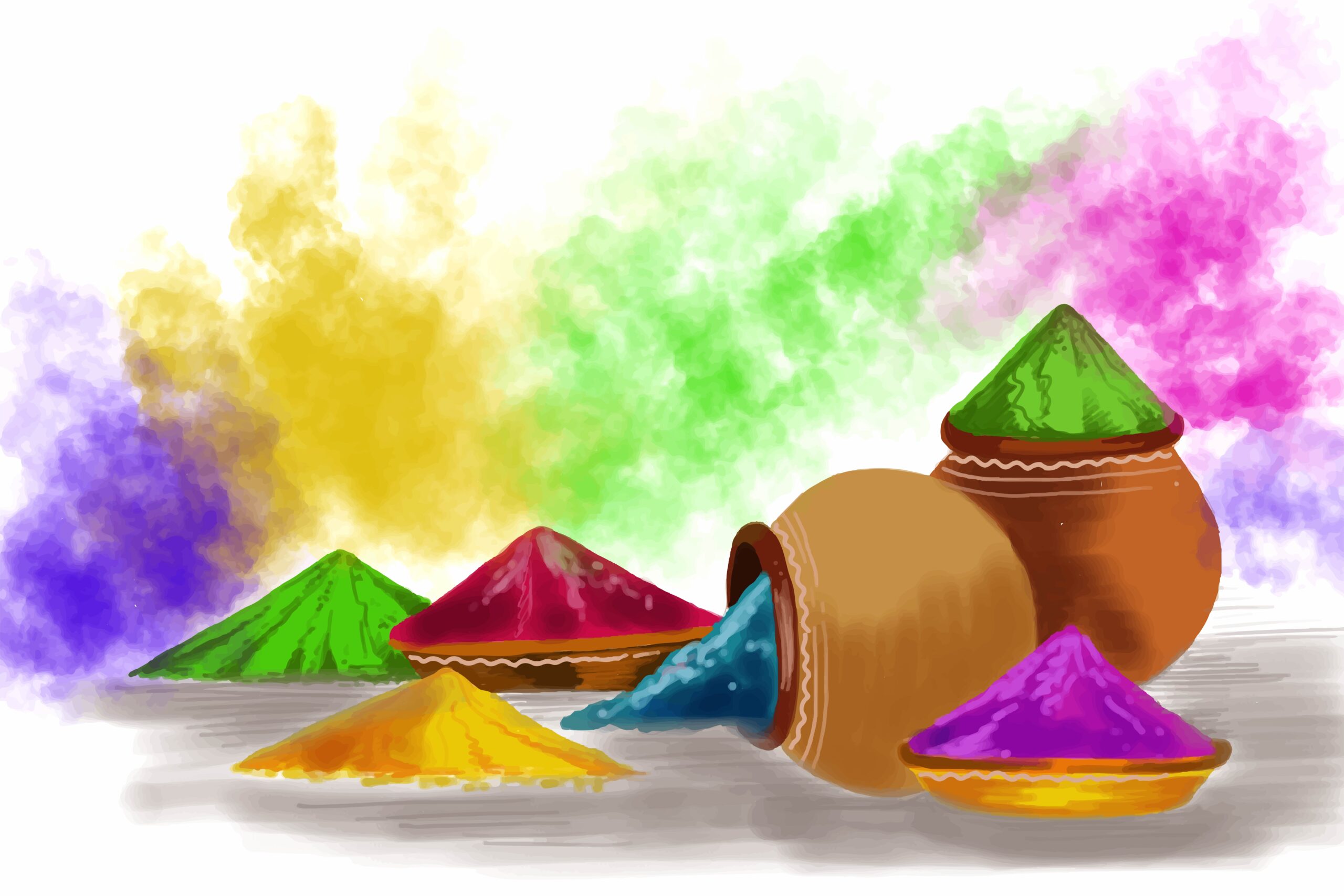
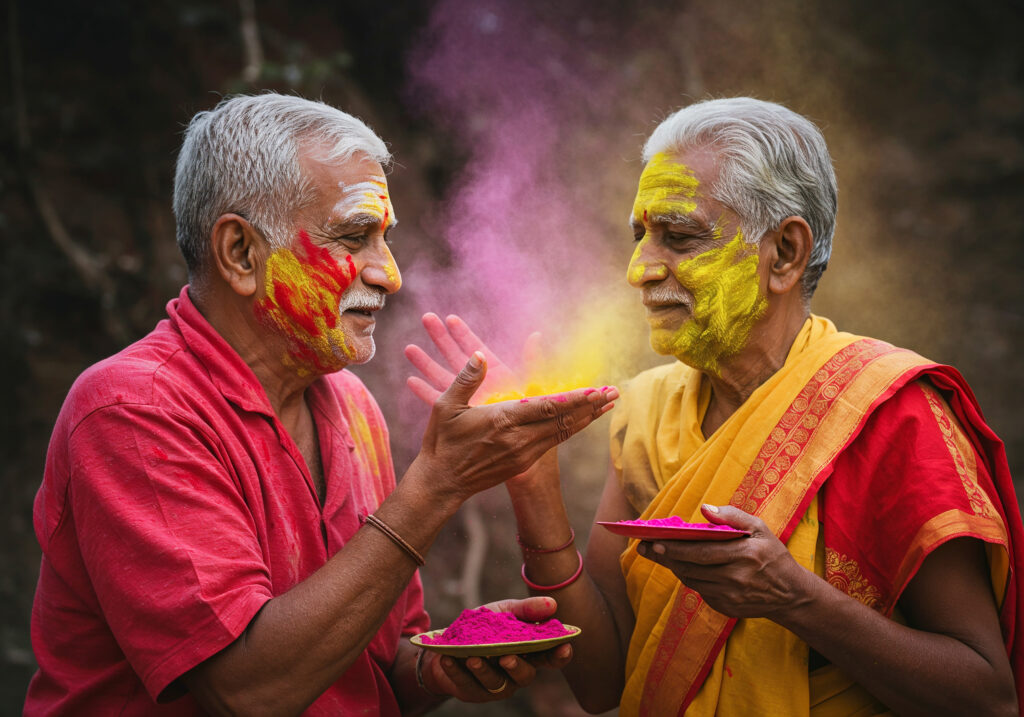
Splash of Savings: Your Ultimate Guide to Holi Color Budgeting
Holi color budgeting transforms India’s festival of colors into a smart financial celebration. When rainbow hues fill the air, your wallet doesn’t need to run dry. This ancient festival celebrating spring’s arrival offers perfect lessons in diversity – not just in colors, but in spending choices too. For more financial wisdom, explore our blog.
“Holi taught me that just like colors blend beautifully, so can celebration and savings. The brightest festival doesn’t need the darkest debt.”
In this comprehensive guide, we’ll explore how Holi’s vibrant diversity connects to intelligent budgeting, helping you celebrate abundantly while building financial discipline. Learn about our approach on our about us page.
The Rainbow Economics: Understanding Holi’s Color Market
Traditional vs. Modern: A Color Revolution
Holi colors have evolved from simple natural powders to a multi-billion rupee industry. Traditional gulal made from flowers and herbs shared space with synthetic options, creating a diverse market with varying price points. Our household calculator can help you plan your color budget.
“The best Holi memories aren’t measured by how much you spent, but by how creatively you celebrated within your means.”
Market research shows Indian families spend between ₹2,000-₹15,000 on Holi celebrations, with colors accounting for 40-60% of the budget. Understanding this diversity helps you make informed choices.
The Color Spectrum: Price Points and Options
| Color Type | Price Range (100g) | Duration | Safety Level | Environmental Impact |
|---|---|---|---|---|
| Organic Herbal | ₹150-₹300 | Medium washable | High | Low |
| Synthetic Standard | ₹50-₹150 | Long-lasting | Medium | High |
| Premium Synthetic | ₹200-₹500 | Very long-lasting | Low-Medium | Very High |
| DIY Natural | ₹20-₹100 (materials) | Short washable | Very High | Minimal |
| Water-Saving Colors | ₹100-₹250 | Quick-fade | High | Low |
7 Smart Holi Color Budgeting Strategies
1. The Color Pyramid: Prioritize Your Palette
Just like food pyramids guide nutrition, a color pyramid guides spending:
Base Layer (60% budget): Essential, safe colors for immediate family Middle Layer (30%): Special colors for extended family and close friends **Top Layer (10%): Premium/experimental colors for unique experiences
“This pyramid approach helped our family of five celebrate Holi for under ₹3,000 while ensuring everyone had safe, beautiful colors.”
Use our financial calculator to create your personalized color budget pyramid.
2. Organic vs. Synthetic: The Safety-Cost Balance
Understanding the trade-offs helps you budget wisely:
Organic Colors Benefits:
- Safer for skin and health
- Environmentally friendly
- Support local artisans
- Higher per-unit cost but lower health risks
Synthetic Colors Benefits:
- More affordable per gram
- Wider color variety
- Longer-lasting effects
- Potential health and environmental concerns
A Delhi family switched to 70% organic colors and reported 40% reduction in skin allergies while spending only 20% more. The Central Pollution Control Board provides guidelines on safe color usage.
3. Bulk Buying Blitz: Community Color Power
Pool resources with neighbors or family members:
How it Works:
- Form a group of 5-10 families
- Calculate total color needs
- Buy directly from manufacturers
- Distribute according to contribution
Real Example: A Mumbai society of 20 families saved ₹35,000 by buying organic colors in bulk. Each family paid ₹1,500 instead of ₹3,250 individually.
4. DIY Color Magic: Budget-Friendly Creativity
Create your own safe, affordable colors:
Common Household Ingredients:
- Turmeric + flour = Bright yellow
- Beetroot juice = Pink/red
- Spinach paste = Green
- Hibiscus flowers = Deep red
- Sandalwood powder = Fragrant brown
“Making our own Holi colors became a family tradition. We save money, know exactly what’s in them, and create memories while mixing colors.”
Our kiddie budget calculator can help you budget for DIY materials with children.
5. Water Conservation: The Hidden Color Cost
Water usage during Holi significantly impacts your environmental footprint and utility bills:
Water-Saving Strategies:
- Use dry colors primarily (70% of celebration)
- Limit water play to short periods
- Use buckets instead of pipes
- Collect and reuse water for plants
Cost Comparison:
- Traditional water Holi: ₹500-₹1,500 extra in water bills
- Water-conscious Holi: ₹100-₹300 in water bills
- Savings: 60-80% on water costs
The Ministry of Jal Shakti offers water conservation tips applicable to Holi celebrations.
6. Post-Holi Recovery Budget: Planning for Cleanup
Many families forget cleanup costs in their Holi budget:
Cleanup Categories:
- Laundry expenses (extra detergent, professional cleaning)
- Skin/hair care products
- Home cleaning supplies
- Potential medical costs for reactions
Budget Allocation:
- Colors: 60%
- Water: 15%
- Food: 15%
- Cleanup: 10%
Our child medical calculator can help plan for potential medical expenses.
7. The Color Investment Strategy: Long-Term Thinking
Think beyond single-day celebration:
Smart Investments:
- Reusable water guns/pichkaris
- Storage containers for leftover colors
- Quality white clothes that withstand multiple Holis
- Natural color-making equipment
Return on Investment: A Pune family invested ₹2,500 in reusable Holi equipment and saved ₹8,000 over three years.
Holi Color Choices: Pros and Cons
The Bright Side of Smart Color Budgeting
- Health Protection: Organic options prevent skin issues and medical bills
- Environmental Care: Eco-friendly colors support sustainable celebrations
- Community Building: Group purchases strengthen neighborhood bonds
- Creative Expression: DIY options encourage family creativity
- Financial Discipline: Budget planning teaches valuable money lessons
- Cultural Preservation: Traditional methods keep authentic Holi spirit alive
- Long-term Savings: Smart choices benefit future celebrations too
The Challenges to Navigate
- Initial Costs: Quality organic colors require higher upfront investment
- Time Investment: DIY colors need preparation time
- Availability: Natural options may be harder to find in some areas
- Social Pressure: Friends/family might expect expensive celebrations
- Storage Needs: Bulk buying requires proper storage space
- Learning Curve: New methods need practice and patience
- Limited Variety: Natural colors offer fewer shade options
Urban vs. Rural Holi Budgeting: A Colorful Comparison
| Aspect | Urban Holi Budgeting | Rural Holi Budgeting |
|---|---|---|
| Primary Focus | Premium colors, parties | Traditional colors, community |
| Average Spend | ₹5,000-₹15,000 | ₹1,000-₹5,000 |
| Color Sources | Markets, online | Local production, natural |
| Water Usage | High (pools, parties) | Moderate (traditional play) |
| DIY Adoption | Growing trend | Common practice |
| Community Involvement | Apartment societies | Village gatherings |
| Cleanup Approach | Professional services | Family efforts |
For vehicle-related Holi travel, use our vehicle valuation tool.
Your Holi Color Budgeting Questions Answered
Q1: How much should I budget for Holi colors?
A: Budget 1-2% of your monthly income for Holi colors. For a family earning ₹50,000 monthly, allocate ₹500-₹1,000 specifically for colors. Use our loan comparison tool if considering credit options.
Q2: Are organic Holi colors worth the extra cost?
A: Yes, absolutely. While organic colors cost 2-3 times more, they prevent skin allergies, medical bills, and environmental damage. The Ministry of Chemicals and Fertilizers provides safety certifications for genuine organic products.
Q3: How can I make Holi colors at home safely?
A: Use food-grade ingredients like turmeric, beetroot, and spinach. Avoid non-edible plants or chemicals. Test on small skin patches first. Our pregnancy cost calculator can help expectant mothers budget for safe alternatives.
Q4: What’s the most cost-effective way to buy Holi colors?
A: Buy in bulk with neighbors, purchase directly from manufacturers, or make your own. A group of 10 families can save 40-60% compared to individual retail purchases.
Q5: How do I budget for post-Holi cleanup?
A: Allocate 10% of your total Holi budget for cleanup. Include laundry supplies, skin care products, and potential medical costs. Keep ₹500-₹1,000 emergency fund specifically for Holi-related issues.
Q6: Are there government regulations for Holi colors?
A: Yes, the Bureau of Indian Standards sets safety standards for Holi colors. Look for ISI certification on packaged colors. Avoid products without proper labeling or certification.
Q7: How can I celebrate Holi on a tight budget?
A: Focus on DIY colors, limit water usage, celebrate with close family only, and reuse materials from previous years. A meaningful Holi can cost under ₹1,000 for a family of four.
Q8: What are the hidden costs of Holi celebrations?
A: Water bills, laundry expenses, skin/hair care products, medical treatments for reactions, and home cleaning supplies are often overlooked. Budget 20-30% extra beyond color costs.
Q9: How do I teach children about budgeting through Holi?
A: Give them a fixed color budget, involve them in DIY color making, and explain the cost differences between options. Our NRI setup calculator has principles applicable to teaching financial literacy.
Q10: Are there eco-friendly alternatives to traditional Holi colors?
A: Yes, consider flower petals, natural herbal colors, or even colored powders made from food-grade ingredients. The Central Pollution Control Board promotes “Green Holi” initiatives with safe alternatives.
Paint Your Holi with Financial Wisdom
Holi color budgeting transforms this vibrant festival into a celebration of both diversity and financial discipline. By making smart choices about colors, water usage, and community sharing, you can create unforgettable memories without financial stress.
Remember, the true colors of Holi aren’t measured in rupees spent but in joy shared. Plan wisely, celebrate safely, and let your financial planning be as colorful as your Holi celebration. For personalized financial advice, explore our services page.
Disclaimer
This content is for educational purposes and does not constitute personalised financial advice. For personalised advice, visit our services or contact pages.