5 Proven Japanese Money Education Methods for Cultural Financial Wisdom
Japanese Money Education represents a fascinating cultural approach to teaching children about finances that blends traditional values with modern practical skills. In this comprehensive cultural case study, we’ll explore how Japan’s unique educational philosophy shapes children’s understanding of money from an early age, creating a foundation of financial respect and responsibility.
“Japanese financial education teaches more than just money skills—it cultivates a mindset of respect, responsibility, and cultural wisdom.”
Understanding Japanese Money Education
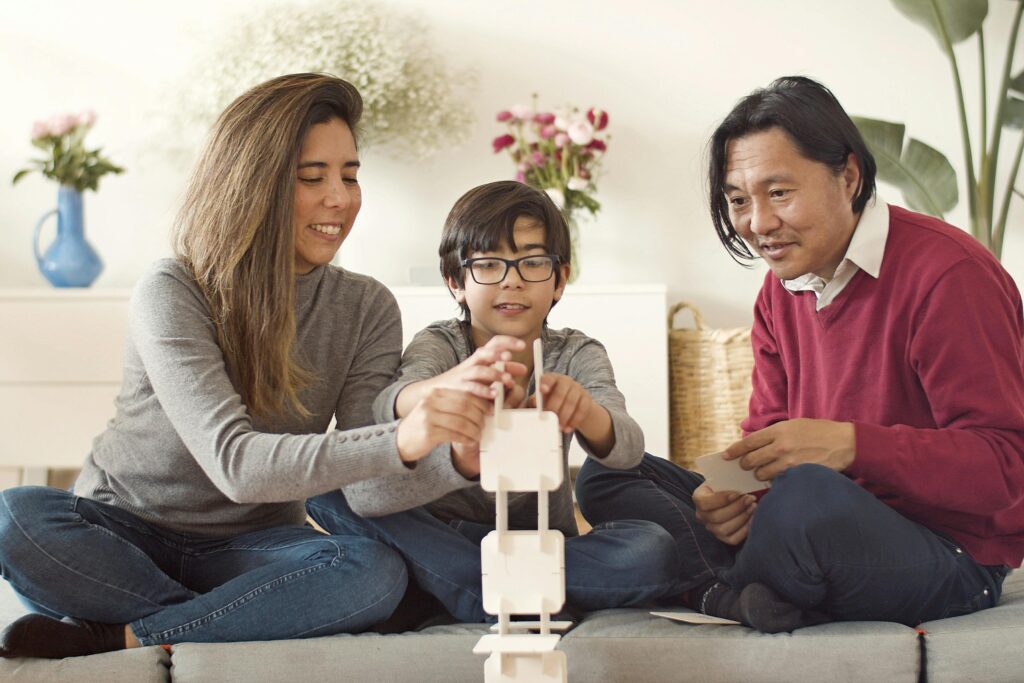
Japanese Money Education is deeply rooted in the country’s cultural values of respect, discipline, and harmony. Unlike Western approaches that often focus primarily on technical financial skills, Japanese methods emphasize the social and ethical dimensions of money use.
“Money in Japanese culture is not merely a tool for transaction but a reflection of character and social responsibility.”
This approach to financial education begins early in childhood and is woven into various aspects of Japanese education and family life. The goal is not just to teach children how to handle money, but to develop proper money manners that reflect cultural values and social harmony.
For more insights on financial education approaches, check out our financial calculator to compare different cultural methods. The Japan International Cooperation Agency provides resources on Japanese educational systems that include financial literacy components.
Cultural Foundations of Japanese Money Education
The Japanese approach to teaching children about money is built on several key cultural pillars that distinguish it from financial education methods in other countries.
“Japanese Money Education grows from the same soil that cultivates respect, discipline, and harmony in all aspects of life.”
The Concept of Waste Avoidance
At the heart of Japanese Money Education lies the deep cultural value that expresses regret over waste. This concept teaches children to value resources, including money, and to use them respectfully and efficiently.
“Waste avoidance teaches children that wasting money is not just economically unwise but culturally disrespectful.”
This concept is instilled from early childhood through everyday practices. Children learn to appreciate the value of money by understanding the effort and resources that went into earning it. The concept extends beyond personal finance to environmental and social responsibility, creating a holistic understanding of value.
Harmony in Financial Relationships
Japanese culture emphasizes harmony, and this extends to financial relationships. Japanese Money Education teaches children that money should be used in ways that maintain social harmony rather than disrupt it.
“Financial decisions in Japanese culture are weighed against their impact on family and community harmony.”
Children learn that how they use money affects others and that responsible money behavior contributes to social stability. This perspective helps children understand money as a social tool rather than merely a personal possession.
Reciprocal Obligation
The concept of reciprocal obligation refers to the sense of obligation and gratitude that comes from receiving benefits. In Japanese Money Education, children learn that money comes with responsibilities—to family, society, and those who helped earn it.
“Japanese children learn that money carries not just purchasing power but social obligation and gratitude.”
This concept teaches children to be grateful for financial support and to use money in ways that honor the trust placed in them. It creates a sense of responsibility that goes beyond simple budgeting or saving.
Traditional Japanese Money Education Practices
Japanese families have long-standing practices for teaching children about money that reflect cultural values and practical wisdom. These traditional methods continue to influence modern financial education.
“Traditional Japanese Money Education practices have evolved over centuries but remain relevant in today’s financial world.”
The Allowance System
The Japanese allowance system is more than just giving children money—it’s a structured educational tool. Japanese parents typically give allowances weekly or monthly, with clear expectations about how the money should be used.
“Japanese allowances teach not just spending but responsibility, planning, and cultural values around money.”
Unlike in some Western countries where allowances might be tied solely to chores, Japanese allowances often come with the expectation that children will learn to manage money responsibly as part of their family duties. The amount is usually modest and age-appropriate, reflecting the Japanese value of moderation.
The Three-Pocket System
A traditional Japanese Money Education method involves dividing money into three categories: saving, spending, and social contribution. This system teaches children about balanced money management from an early age.
“The three-pocket system teaches children that money has multiple purposes beyond personal gratification.”
Children learn to allocate their money according to these categories, developing habits of saving, thoughtful spending, and charitable giving. This approach reflects the Japanese cultural value of balance and consideration for others.
New Year’s Money Gift Tradition
During the New Year celebration, children in Japan receive special money gifts in decorated envelopes. This tradition serves as an important Japanese Money Education opportunity, teaching children about gratitude, proper money handling, and cultural traditions.
“New Year’s money gifts teach children about cultural traditions while providing practical money management experience.”
Parents use this opportunity to teach children how to count money, save it appropriately, and understand the cultural significance of the gift. This practice connects financial learning to important cultural celebrations, making money education meaningful and memorable.
Modern Japanese Money Education in Schools
Japanese schools incorporate financial education into their curriculum in ways that reflect cultural values while preparing children for modern economic life.
“Japanese school-based financial education blends traditional values with contemporary economic realities.”
Integrated Curriculum Approach
Unlike in many Western countries where financial education might be a separate subject, Japanese Money Education is integrated across various subjects including moral education, social studies, and home economics.
“Integrated financial education ensures that money concepts are connected to broader cultural and social understanding.”
This approach helps children see money as part of a larger social and cultural framework rather than an isolated topic. For example, lessons about money might include discussions about ethical business practices, environmental responsibility, and social harmony.
Practical Experience Through School Activities
Japanese schools provide practical money education through activities like school festivals, bazaars, and fundraising events. These activities give students hands-on experience with money management in real-world contexts.
“School-based money activities provide safe environments for children to practice financial skills with cultural guidance.”
Through these activities, students learn about pricing, budgeting, customer service, and profit management—all within the context of school events that emphasize cooperation and cultural values rather than pure profit maximization.
Financial Education Textbooks and Materials
The Japanese Ministry of Education develops specialized textbooks and materials for Japanese Money Education that reflect cultural values while teaching practical financial skills.
“Japanese financial education materials blend cultural wisdom with practical money management skills.”
These materials often include stories, examples, and activities that emphasize ethical behavior, social responsibility, and proper money manners alongside technical financial knowledge. The content is carefully designed to be age-appropriate and culturally relevant.
Family-Based Japanese Money Education
Japanese families play a crucial role in teaching children about money, with practices that reflect cultural values and daily life experiences.
“Japanese family-based money education creates a natural learning environment where financial values are lived rather than just taught.”
Daily Money Conversations
Japanese families incorporate money education into daily conversations and activities. Rather than having formal money lessons, parents use everyday situations like shopping, saving for desired items, and family budgeting as teaching opportunities.
“Daily money conversations create natural learning moments that feel relevant and meaningful to children.”
These conversations often emphasize cultural values like avoiding waste, considering others’ needs, and making responsible choices. Parents use these opportunities to model proper money behavior and explain the reasoning behind financial decisions.
Family Financial Inclusion
Japanese families often include children in family financial discussions at an age-appropriate level. This practice helps children understand family financial priorities and the connection between money and family well-being.
“Including children in family financial discussions helps them understand money as a family resource rather than just personal spending money.”
Children might participate in discussions about saving for family goals, making budget choices, or understanding why certain purchases are made or delayed. This inclusion helps children develop a broader perspective on money’s role in family life.
Cultural Rituals Around Money
Japanese families have various cultural rituals and practices related to money that serve as educational opportunities. These might include special ways of giving and receiving money, celebrating financial milestones, or participating in community financial traditions.
“Cultural rituals around money transform abstract financial concepts into meaningful, memorable experiences for children.”
These rituals help children understand the cultural significance of money and proper money etiquette. They also create positive associations with money management and reinforce cultural values related to financial behavior.
Japanese Money Education vs. Western Approaches
Understanding the differences between Japanese Money Education and Western approaches provides valuable insights into how cultural values shape financial learning.
“Comparing Japanese and Western financial education reveals how cultural values create different approaches to teaching children about money.”
Focus on Values vs. Technical Skills
Japanese Money Education tends to emphasize cultural values, social responsibility, and proper money etiquette, while Western approaches often focus more on technical skills like budgeting, investing, and financial planning.
“Japanese financial education prioritizes character development around money, while Western methods often emphasize technical proficiency.”
This difference reflects broader cultural values—Japanese education emphasizes social harmony and character development, while Western education often prioritizes individual achievement and practical skills.
Collective vs. Individual Financial Perspective
Japanese Money Education typically presents money from a collective perspective, emphasizing its role in family and community well-being. Western approaches often present money from an individual perspective, focusing on personal financial success and independence.
“Japanese financial education teaches money as a social resource, while Western methods often treat it as a personal asset.”
This difference influences how children understand their relationship to money—whether primarily as members of families and communities or as individuals managing personal finances.
Long-term vs. Short-term Financial Focus
Japanese Money Education often emphasizes long-term thinking, delayed gratification, and sustainable financial practices. Western approaches sometimes place more emphasis on immediate financial goals and quicker returns.
“Japanese financial education cultivates patience and long-term thinking, while Western methods sometimes encourage more immediate financial results.”
This difference reflects cultural attitudes toward time, patience, and the relationship between present actions and future outcomes.
Practical Applications of Japanese Money Education
The principles of Japanese Money Education can be adapted and applied in different cultural contexts, including in India, to enhance children’s financial learning.
“Japanese Money Education principles offer valuable insights that can be adapted to enhance financial learning across different cultures.”
Adapting Waste Avoidance Concepts
The Japanese emphasis on avoiding waste can be adapted to Indian contexts by connecting it to traditional Indian values of resource conservation and careful use of resources.
“Adapting waste avoidance concepts helps Indian children connect financial responsibility to cultural values they already understand.”
Parents can teach children to value money by understanding the effort required to earn it and the importance of using it wisely. This approach resonates with traditional Indian values of thrift and careful resource management.
Incorporating Harmony Principles
The Japanese focus on harmony in financial relationships can be adapted to Indian family structures by emphasizing how money decisions affect family harmony and social relationships.
“Harmony principles in financial education help Indian children understand money’s impact on family and social relationships.”
This approach can help children understand that financial decisions should consider the well-being of the family and community, not just individual desires.
Blending Traditional and Modern Approaches
Japanese Money Education successfully blends traditional cultural values with modern financial needs. This balanced approach can be particularly valuable in India, where traditional values coexist with modern economic realities.
“Blending traditional and modern financial education approaches creates relevant learning experiences for children in changing economies.”
This balance helps children develop financial skills that are both culturally grounded and practically useful in today’s economic environment.
Pros and Cons of Japanese Money Education
When considering Japanese Money Education approaches, it’s important to understand both the benefits and potential challenges to make informed decisions about adapting these methods.
“Understanding both the advantages and limitations of Japanese Money Education helps create more effective financial learning approaches.”
Advantages of Japanese Money Education
- Strong emphasis on cultural values and character development
- Integration of financial education with broader social learning
- Focus on long-term financial thinking and responsibility
- Practical, hands-on learning through real-life experiences
- Emphasis on social harmony and ethical financial behavior
- Connection to cultural traditions and family values
- Development of proper money etiquette and social skills
- Balanced approach to saving, spending, and giving
- Natural integration into daily family life and school activities
- Preparation for responsible citizenship as well as personal financial management
Disadvantages of Japanese Money Education
- May place less emphasis on technical financial skills
- Could be seen as too restrictive or conservative in some contexts
- Might not adequately address modern investment concepts
- Cultural specificity may limit direct application in other contexts
- May not sufficiently prepare children for competitive financial environments
- Traditional approach might resist adaptation to new economic realities
- Could potentially limit individual financial initiative and creativity
- May not address diverse family economic situations adequately
- Might not emphasize personal financial independence enough
- Cultural barriers to implementation in non-Japanese contexts
Comparison of Japanese Money Education with Other Cultural Approaches
Different cultural approaches to financial education can be compared to understand their unique strengths and applications.
“Comparing Japanese Money Education with other cultural approaches helps identify the most effective elements for different contexts.”
Japanese vs. Indian Financial Education
Japanese Financial Education:
- Cultural Foundation: Harmony, waste avoidance, reciprocal obligation
- Learning Approach: Integrated into daily life and cultural practices
- Family Role: Central to financial education process
- School Integration: Blended across multiple subjects
- Value Emphasis: Social responsibility and proper etiquette
- Long-term Focus: Strong emphasis on future thinking
- Practical Application: Through cultural rituals and daily activities
- Modern Adaptation: Careful balance of tradition and modernity
Indian Financial Education:
- Cultural Foundation: Saving, family responsibility, traditional values
- Learning Approach: More formal, structured instruction
- Family Role: Important but sometimes separate from school
- School Integration: Often separate subject or limited integration
- Value Emphasis: Family prosperity and security
- Long-term Focus: Present but sometimes mixed with short-term goals
- Practical Application: Through specific lessons and activities
- Modern Adaptation: Varies by region and educational approach
Japanese vs. Western Financial Education
Japanese Financial Education:
- Perspective: Collective and social harmony focused
- Skills Emphasis: Etiquette, values, and social responsibility
- Learning Method: Cultural immersion and daily practice
- Time Orientation: Long-term thinking and delayed gratification
- Success Definition: Social harmony and responsible behavior
- Parental Role: Modeling and cultural transmission
- Technology Integration: Cautious and selective
- Cultural Connection: Deep integration with cultural traditions
Western Financial Education:
- Perspective: Individual achievement and independence
- Skills Emphasis: Technical proficiency and practical skills
- Learning Method: Structured lessons and explicit instruction
- Time Orientation: Mix of short and long-term goals
- Success Definition: Personal financial growth and security
- Parental Role: Teaching specific skills and concepts
- Technology Integration: Early and extensive
- Cultural Connection: Varies by specific cultural context
For more information on financial education approaches, our kiddie budget calculator can help plan age-appropriate financial activities. The Ministry of Finance provides resources on financial literacy that can complement Japanese Money Education principles.
FAQs: Japanese Money Education Methods
1. At what age do Japanese children start learning about money?
Japanese children typically begin learning about money concepts around ages 3-5 through daily family activities and cultural practices. Formal financial education usually starts in elementary school around age 6-7, but informal learning begins much earlier through observation and participation in family money-related activities.
2. How does Japanese Money Education differ from Western approaches?
Japanese Money Education emphasizes cultural values, social responsibility, and proper money etiquette, while Western approaches often focus more on technical skills like budgeting and investing. Japanese methods integrate financial learning into daily life and cultural practices, whereas Western education often uses more structured, explicit instruction.
3. Can Japanese Money Education principles be applied in Indian families?
Yes, many Japanese Money Education principles can be adapted to Indian contexts, especially the emphasis on avoiding waste, family harmony, and long-term thinking. These values resonate with traditional Indian cultural values and can enhance financial education by connecting money concepts to cultural beliefs children already understand.
4. What role do Japanese schools play in teaching children about money?
Japanese schools integrate financial education across multiple subjects including moral education, social studies, and home economics. Schools provide practical money experience through activities like festivals and bazaars, and use specialized textbooks that blend cultural values with practical financial skills.
5. How do Japanese families teach children about money at home?
Japanese families incorporate money education into daily conversations and activities, include children in age-appropriate family financial discussions, and use cultural rituals around money as teaching opportunities. Rather than formal lessons, parents use everyday situations like shopping and saving as natural teaching moments.
6. What is the Japanese “three-pocket system” for money management?
The three-pocket system divides money into three categories: saving, spending, and social contribution. This system teaches children balanced money management from an early age, emphasizing that money has multiple purposes beyond personal gratification. It reflects Japanese cultural values of balance and consideration for others.
7. How does Japanese culture influence attitudes toward money education?
Japanese cultural values of harmony, respect, discipline, and avoiding waste deeply influence money education. These values shape how money is perceived—not just as a personal resource but as something that affects social harmony and carries social responsibility. This cultural foundation creates a unique approach to financial education.
8. Are there any specific Japanese money education traditions?
Yes, traditions include the New Year’s money gift tradition where children receive money in decorated envelopes, teaching about gratitude and proper money handling. There’s also the practice of giving allowances with clear expectations about responsible use, and various cultural rituals around giving and receiving money.
9. How does Japanese Money Education address modern financial challenges?
Japanese Money Education balances traditional values with modern financial needs by teaching both cultural money etiquette and practical skills for today’s economy. Schools and families adapt traditional practices to address contemporary issues like digital money, global economics, and changing family structures.
10. What can Indian parents learn from Japanese Money Education methods?
Indian parents can learn about integrating financial education into daily life, emphasizing cultural values alongside practical skills, teaching money as a social responsibility, using cultural rituals as teaching opportunities, and balancing traditional values with modern financial needs. These approaches can enhance existing Indian financial education practices.
11. How does Japanese Money Education teach children about saving?
Japanese Money Education teaches saving through cultural values of patience and long-term thinking, practical systems like the three-pocket method, family modeling of saving behavior, and connecting saving to broader goals like family well-being and social responsibility rather than just personal gain.
12. What role does gratitude play in Japanese Money Education?
Gratitude is central to Japanese Money Education, teaching children to appreciate the value of money and the effort required to earn it. Children learn that money carries social obligation and that proper use of money honors the trust placed in them. This creates a sense of responsibility beyond simple financial management.
Conclusion: Cultural Wisdom in Financial Education
Japanese Money Education offers valuable insights into how cultural values can shape effective financial education for children. By emphasizing respect, responsibility, and social harmony alongside practical money skills, this approach creates a foundation for lifelong financial wisdom.
“Japanese Money Education demonstrates that effective financial learning must engage the heart as well as the mind, connecting money skills to cultural values and social responsibility.”
While the Japanese approach is culturally specific, its principles can be adapted and applied in different contexts, including in India. The emphasis on waste avoidance, social harmony, and long-term thinking resonates with many cultural values and can enhance financial education approaches worldwide.
For more resources on financial education approaches, explore our calculators and web stories that simplify complex financial topics for diverse learners. Our blog offers additional insights on cultural approaches to financial education.
This content is for educational purposes and does not constitute personalised financial advice. For personalised advice, visit our services or contact pages.